Do this right away
Close the main water shutoff. In most Westchester houses it is on the basement or crawl space wall where the water line enters, near the meter. If you cannot find it, the shutoff at the street is the water company's to operate, so call them. Turn off the water heater if the leak is near it. If water has reached outlets, cords or the panel, stay out of that area and call your utility or an electrician to cut power.
- Close the main water shutoff
- Keep clear of wet electrical areas
- Photograph the pipe, the water and every damaged room
- Move valuables and furniture out of the water if safe
- Call a plumber for the pipe and request a restoration contractor for the damage
Why pipes burst here
Westchester winters bring regular nights well below freezing. Pipes in exterior walls, unheated garages, crawl spaces, attics and under kitchen sinks on outside walls are most at risk. Water expands as it freezes and pressure builds between the ice and a closed faucet, so the split often happens away from the frozen spot. Many burst pipes are found when the weather warms and the ice melts, which is why the water seems to appear all at once.
Not every pipe leak is about cold. Washing machine hoses, toilet supply lines, dishwasher connections and old water heaters fail year round. Water heater tanks usually last around a decade, so an older tank in a finished basement is worth watching.
Cleanup after the pipe is fixed
Water from a supply line is clean when it leaves the pipe, which helps. But it runs into wall cavities, under flooring and through ceilings to the floor below. A restoration contractor will find the edges of the wet area with a moisture meter, remove what cannot be dried, set drying equipment and track readings until the structure is back to normal. Acting within the first day or two gives you the best chance of avoiding mold.
Insurance and burst pipes
Many homeowners policies cover sudden and accidental water damage from a burst pipe, according to Fixr's guide on the subject, while the cost of fixing the pipe itself is often not covered. Damage from neglect, continuous leaks or poor maintenance is generally excluded. Check your own policy with your insurer, report the loss promptly and keep the broken pipe section if the plumber removes it.
After the cleanup
Once the house is dry, ask the plumber whether other pipes in the same wall or crawl space are at risk. A pipe that froze once will likely freeze again unless it is insulated, rerouted or kept warmer.
Typical cleanup costs after a pipe leak
National figures. The plumbing repair is priced separately by the plumber.
| Item | Typical range |
|---|---|
| Clean water extraction, per sq. ft. | about $3.75 to $4.25 |
| Drywall repair, average project | about $275 to $485 |
| Ceiling repair | about $325 to $1,100 |
| Water damage restoration, most jobs | about $1,200 to $5,000 |
National figures, rounded, not quotes. Your price depends on how far the water spread and what has to be rebuilt.
Sources: Fixr, water damage restoration; Fixr, burst pipes and insurance
Questions homeowners ask
Where is my main water shutoff?
In most homes it is where the water line comes through the foundation, often near the meter in the basement or crawl space. Find it and label it before you need it. If you cannot close it, call your water provider.
Does insurance cover a burst pipe?
Many policies cover sudden and accidental water damage from a burst pipe, but often not the pipe repair itself. Slow leaks and damage from lack of maintenance are generally excluded. Check with your insurer.
How do I keep pipes from freezing?
Keep the heat on when you travel, open sink cabinets on outside walls during cold snaps, and insulate pipes in unheated spaces. Disconnect garden hoses in the fall. A plumber can reroute pipes that freeze every year.
Who fixes the pipe and who fixes the damage?
A plumber repairs the pipe. A restoration contractor removes water and dries the house, and some also handle the rebuild. Ask each what they cover.
Other services
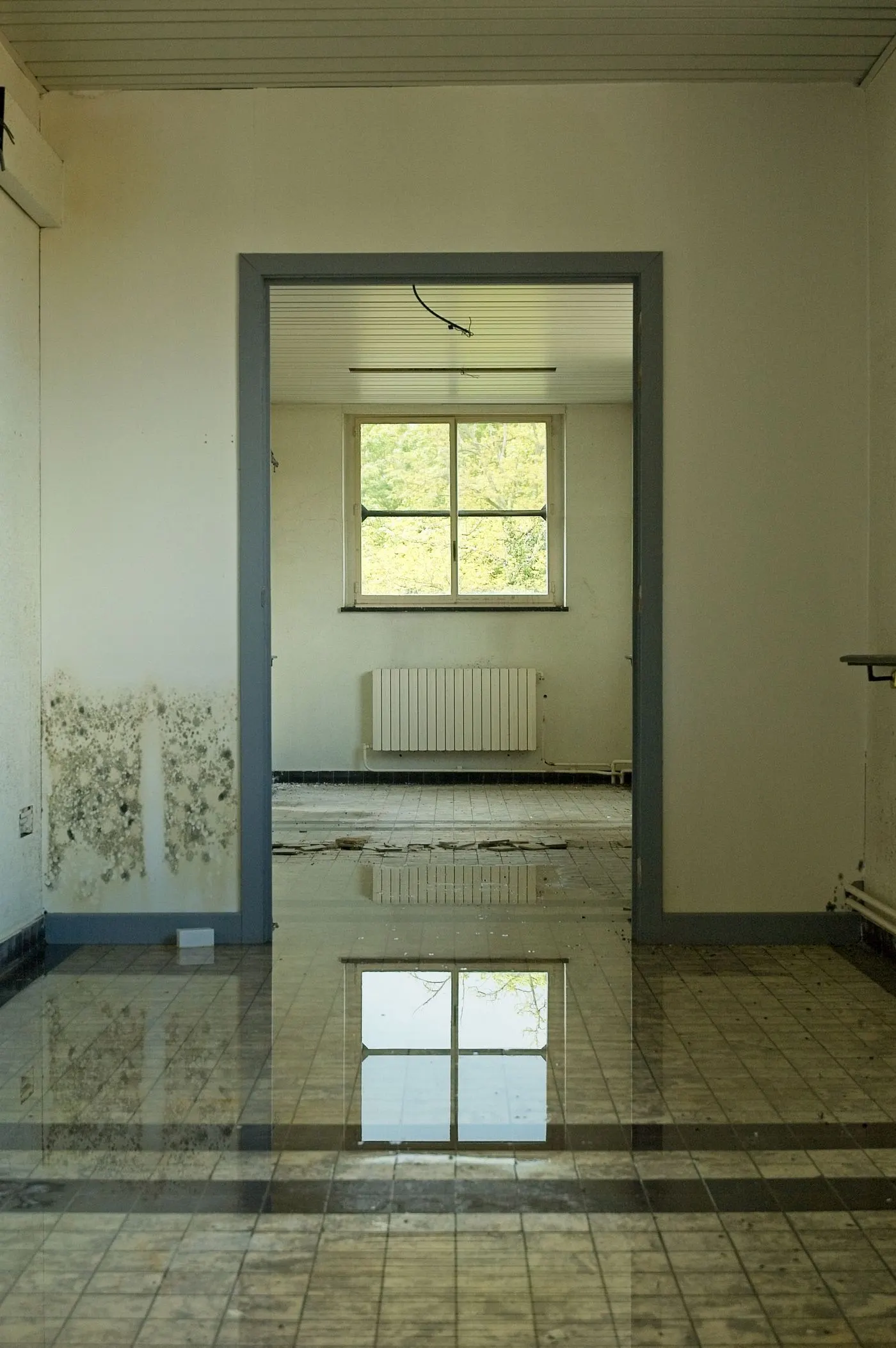
Water damage restoration
Full cleanup after a leak or flood: water removal, drying, and repairs.
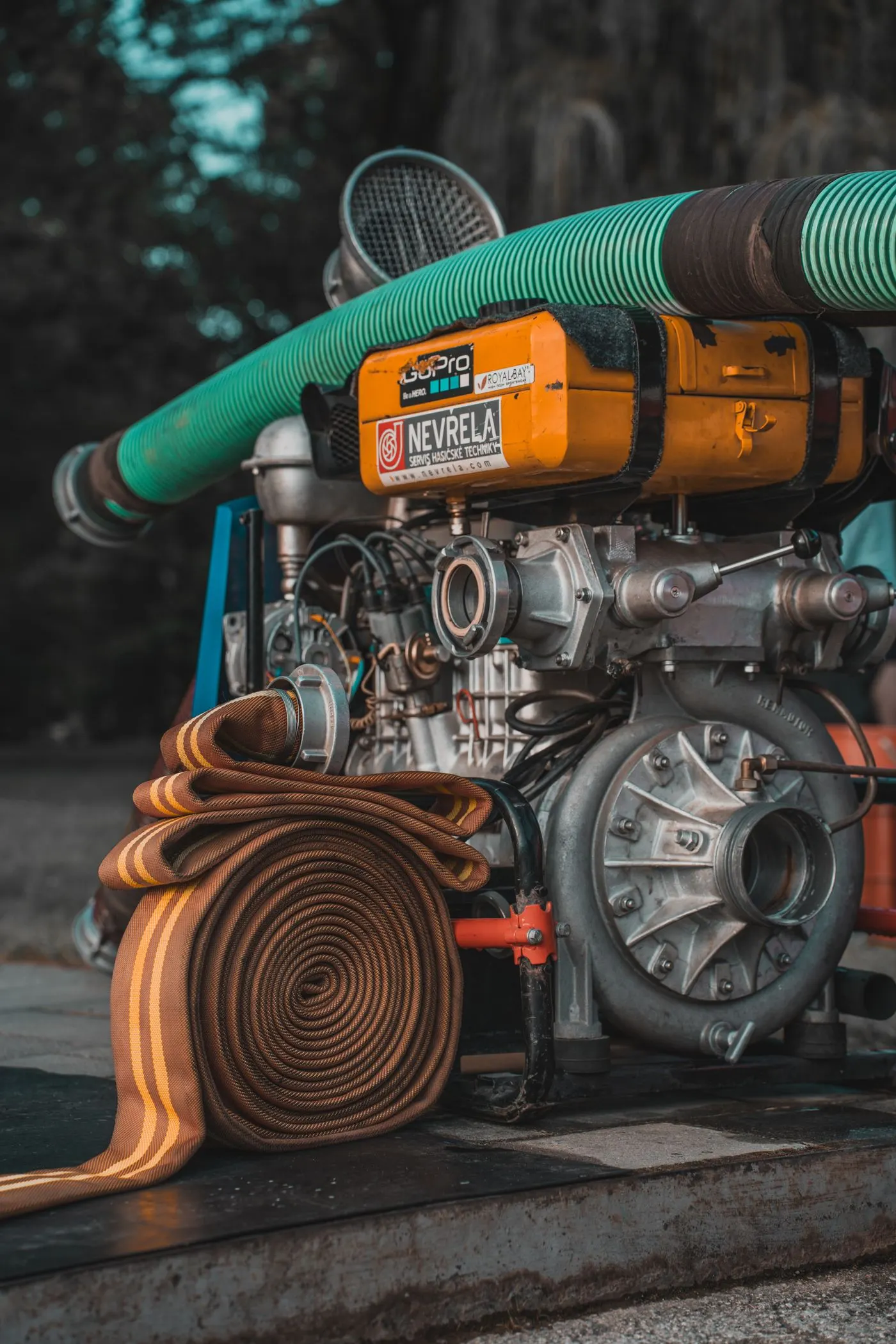
Water extraction and drying
Pumping out standing water and drying floors, walls and air.
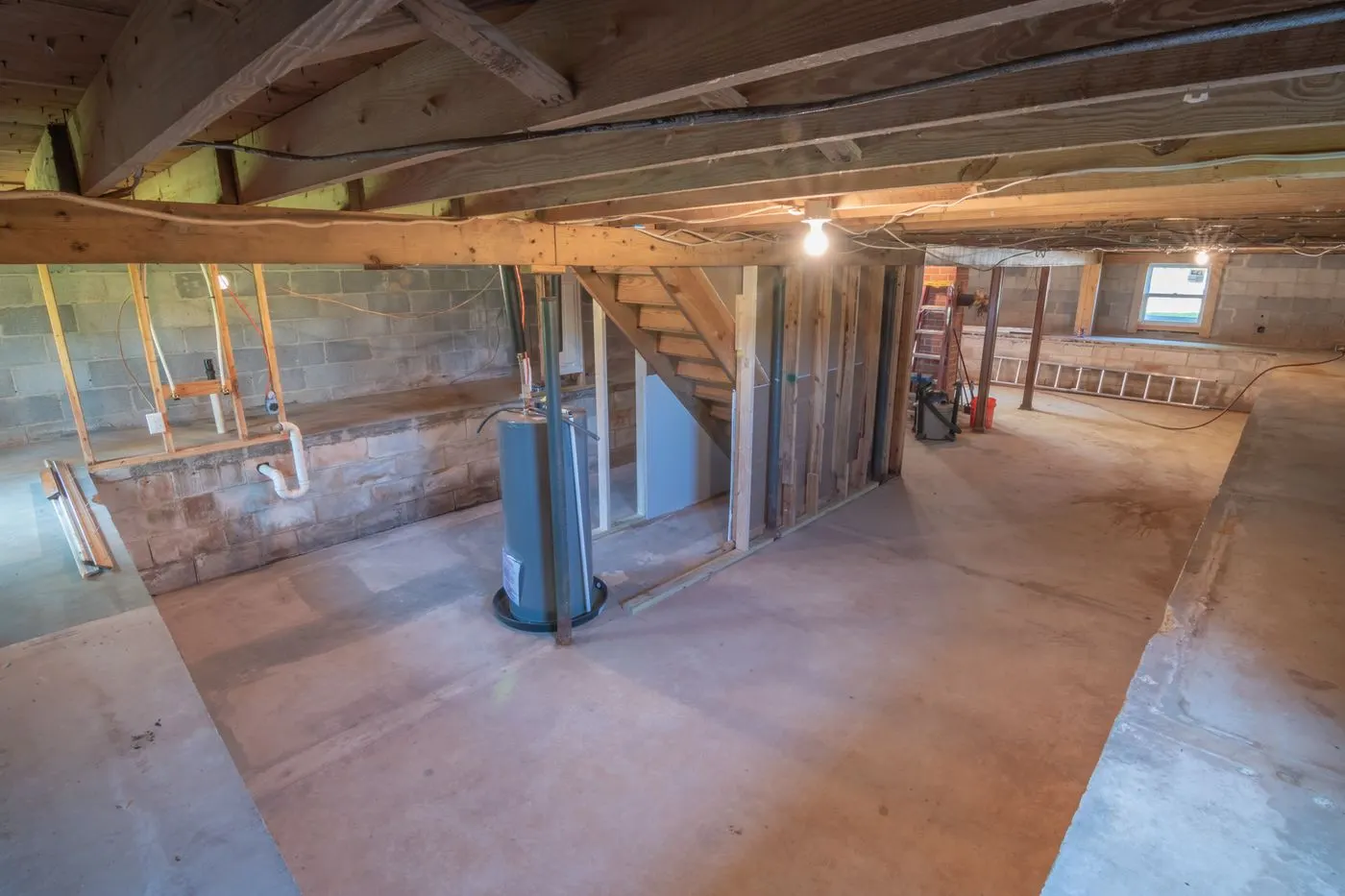
Flooded basement cleanup
Water in the basement from storms, groundwater, sump failure or appliances.
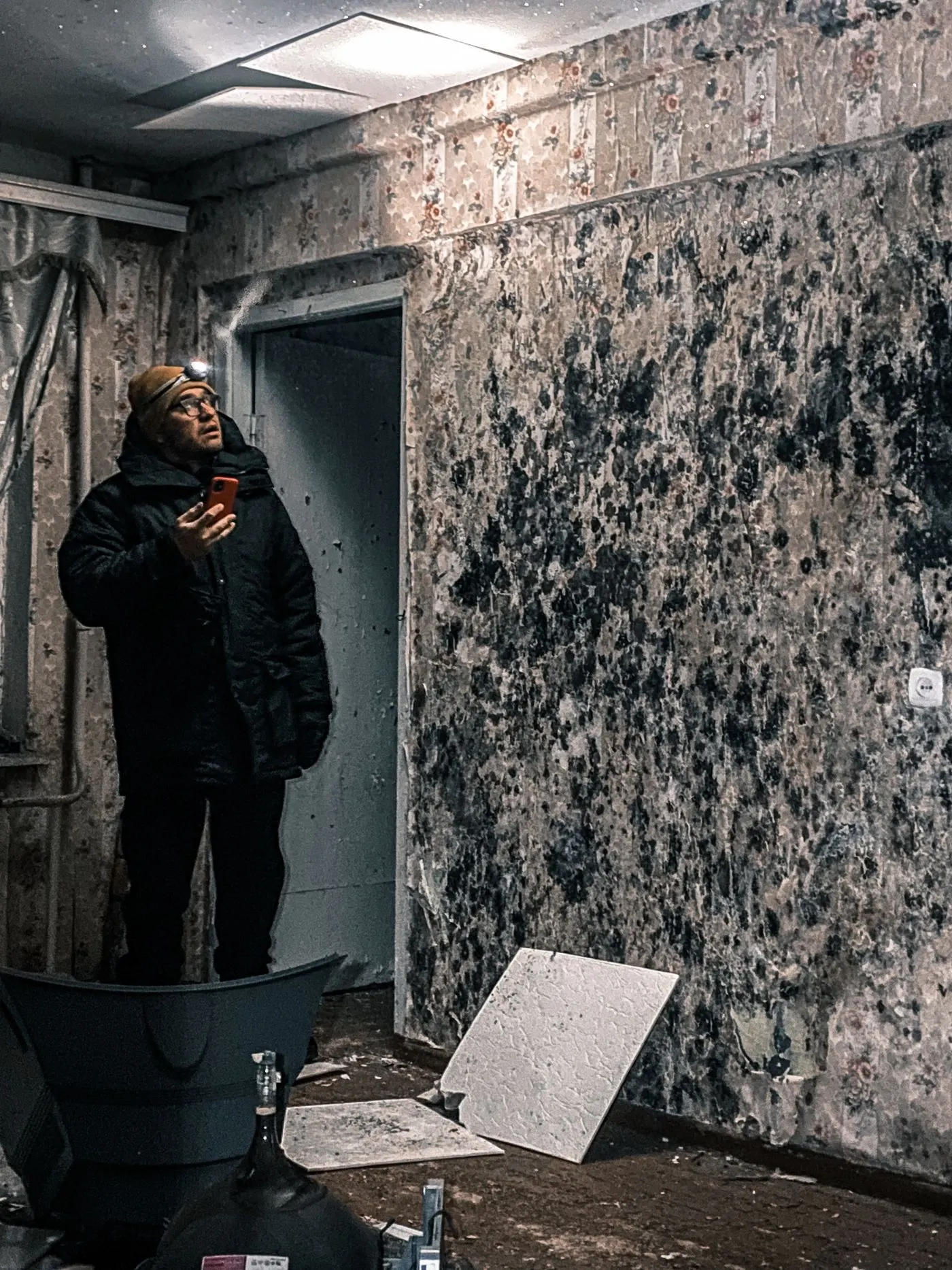
Mold remediation after water damage
Mold cleanup when a leak or flood was not dried in time.
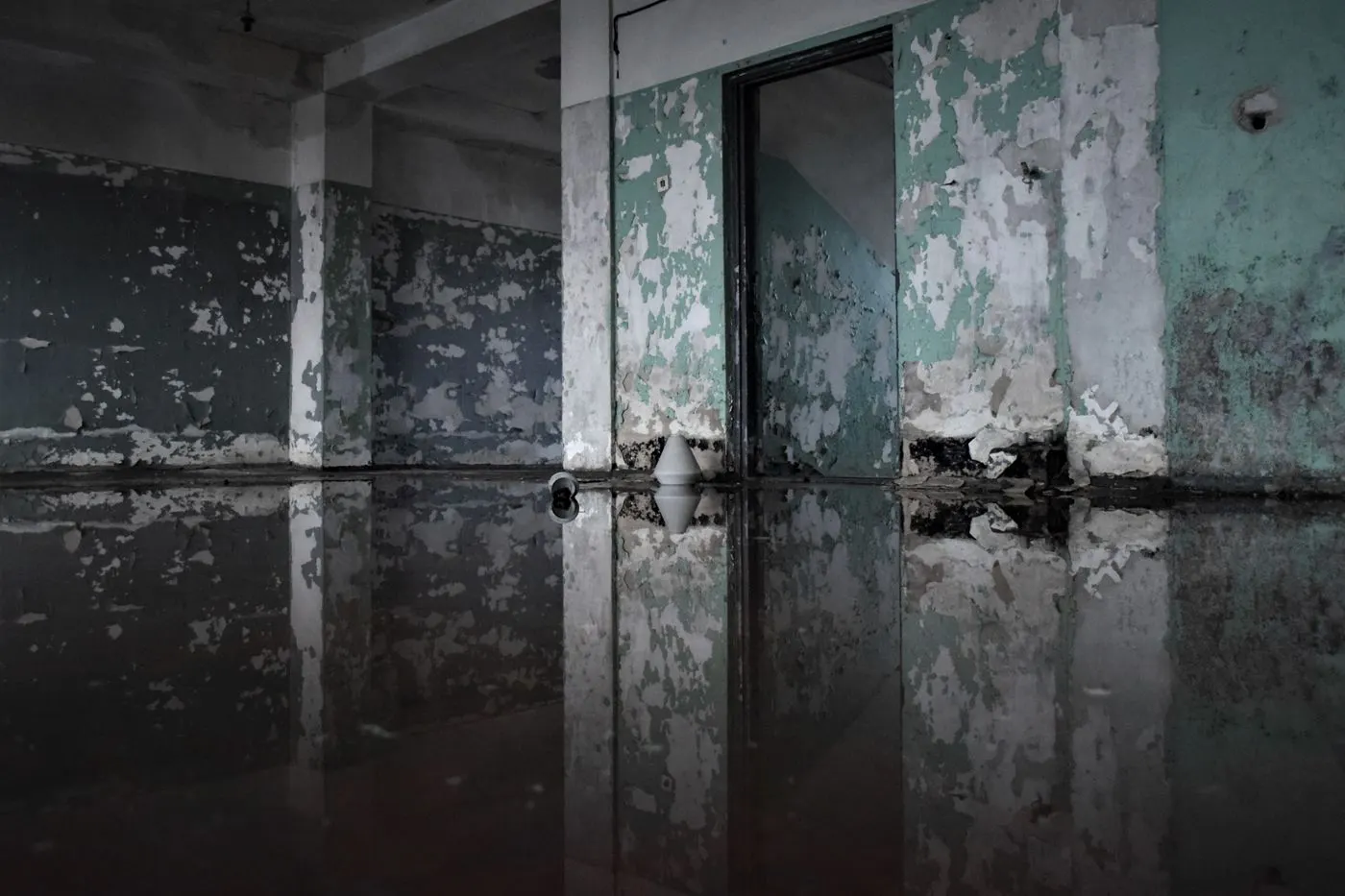
Sewage backup cleanup
Sewer and drain backups into basements, tubs and floor drains.
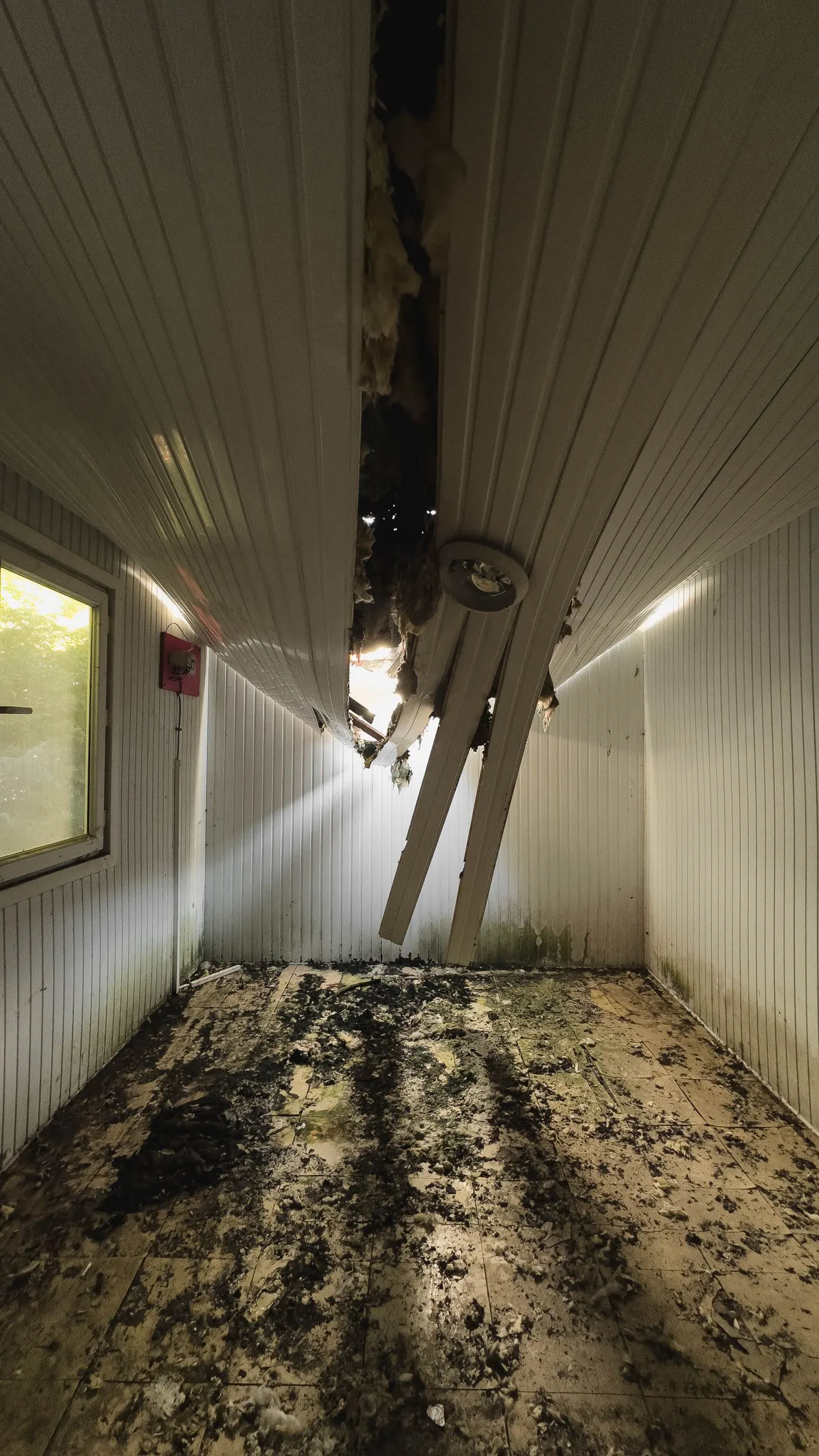
Storm and roof leak damage
Ceiling stains, wet attics and walls after storms, ice dams or roof leaks.