What restoration actually includes
A restoration job usually runs in three stages. First comes mitigation: stopping the source, pumping or vacuuming out standing water, pulling up wet carpet pad and cutting out drywall that cannot be saved. Second is drying, which means air movers and dehumidifiers running for several days while the crew takes moisture readings. Third is the rebuild: new drywall, paint, trim, flooring and anything else that came out.
Some contractors do all three stages. Others handle mitigation and drying and leave the rebuild to a general contractor. Ask which stages they cover so you are not surprised halfway through.
- Finding and stopping the water source
- Extraction of standing water
- Removal of materials that cannot be dried
- Structural drying with daily moisture readings
- Cleaning and antimicrobial treatment where needed
- Repairs and rebuild, by the same contractor or another
Signs the damage is bigger than it looks
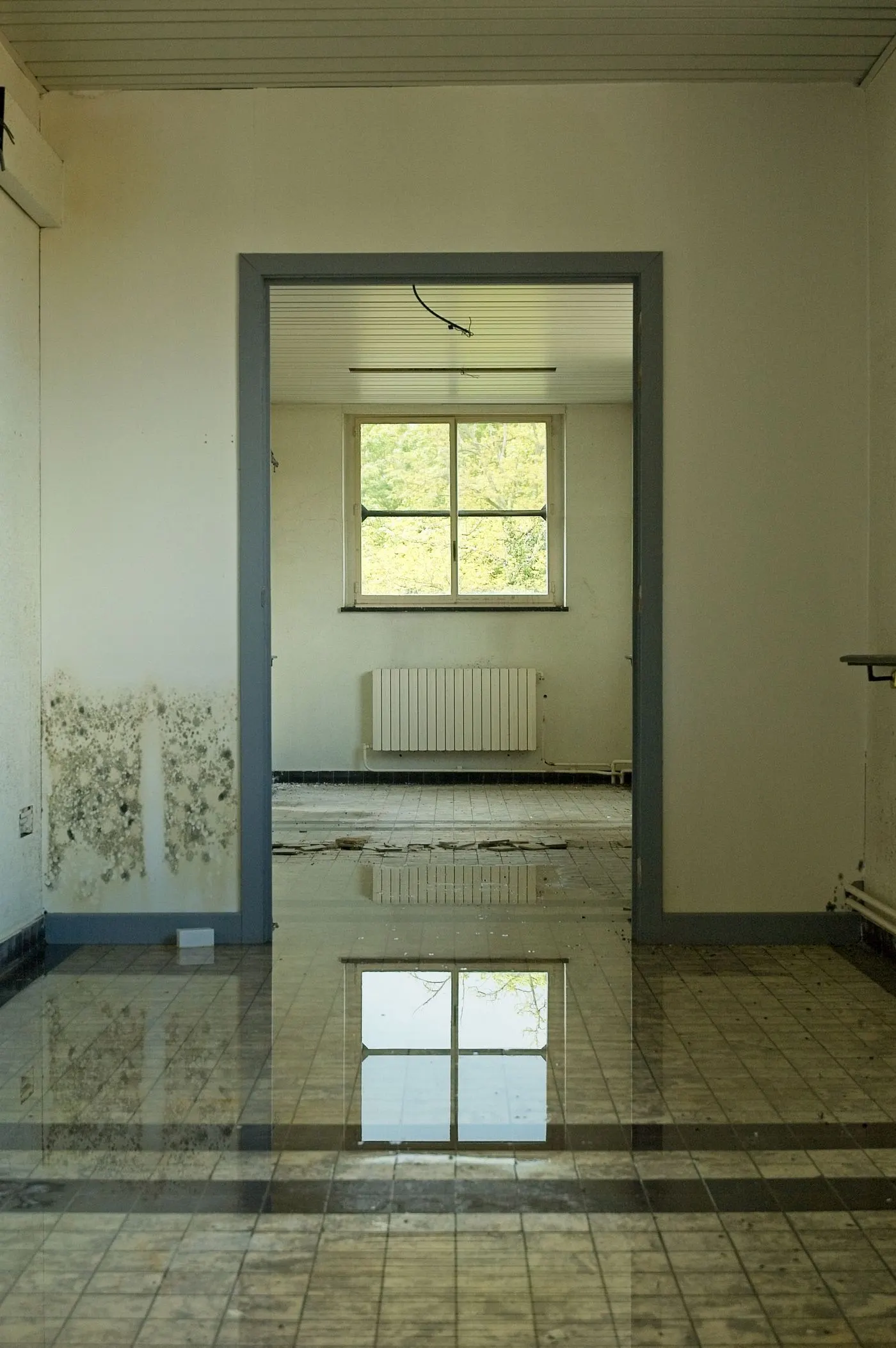
Water travels. A leak upstairs can run along joists and show up as a stain two rooms away. Watch for paint that bubbles, baseboards that swell, a musty smell that was not there before, hardwood boards that cup at the edges, and ceilings that sag or feel soft. Any of those means water is in the structure, not just on the surface.
Older Scarsdale homes and water
Many Scarsdale houses are decades old, with plaster walls, wood floors and basements that were finished long after the house was built. Plaster holds up to water better than drywall in some cases, but it dries slowly and can lose its bond to the lath. Finished basements are the most common place for trouble, because carpet, pad and drywall sit right where water collects. Tell the contractor about any old plaster or original wood floors so they can plan the drying.
Working with your insurer
If you plan to file a claim, call your insurer early. Many policies cover sudden and accidental water damage, and most expect you to take reasonable steps to prevent more damage, which usually means starting extraction and drying quickly. Keep every photo, moisture log and invoice. Coverage depends on your policy and the cause of the water, so ask your insurer what applies rather than assuming.
Questions to ask before you sign
Ask whether the contractor will work directly with your insurance adjuster or expect you to pay and get reimbursed. Ask how they price the job, since many restoration companies bill by line item using industry estimating software while others give a flat price. Ask who will be in your house each day, how long equipment will run and what happens if they find hidden damage once walls are open. Get the answers in writing. A clear contract protects you if the scope changes halfway through, which is common once wet materials come out.
Typical water damage restoration costs
Published national figures. Not quotes.
| Item | Typical range |
|---|---|
| Restoration, most jobs | about $1,200 to $5,000 |
| Water extraction, per sq. ft. | about $3.75 to $7.50 |
| Drywall repair, per sq. ft. | about $1.50 to $3 |
| Hardwood floor restoration, per sq. ft. | about $10 to $15 |
| Ceiling repair | about $325 to $1,100 |
National figures from Fixr, rounded. Your price depends on the water category, the area affected and what has to be rebuilt.
Sources: Fixr, water damage restoration
Questions homeowners ask
How long does water damage restoration take?
Drying alone usually takes several days, depending on materials and how long the water sat. Rebuild work comes after that and can take days or weeks. The contractor should give you an estimated timeline after the first inspection.
Do I have to move out during restoration?
Usually not for a single room or basement with clean water. Large losses, sewage or work that shuts off power or water can make a short stay elsewhere more comfortable. Ask the contractor what to expect.
Can wet drywall be saved?
Sometimes. Drywall wet with clean water for a short time can often be dried in place. Drywall that sagged, crumbled or was soaked by gray or black water usually has to be cut out.
What does restoration cost?
Fixr lists most jobs at about $1,200 to $5,000 nationally. Jobs with sewage, mold or extensive rebuild can cost much more. Get a written scope before work starts.
Other services
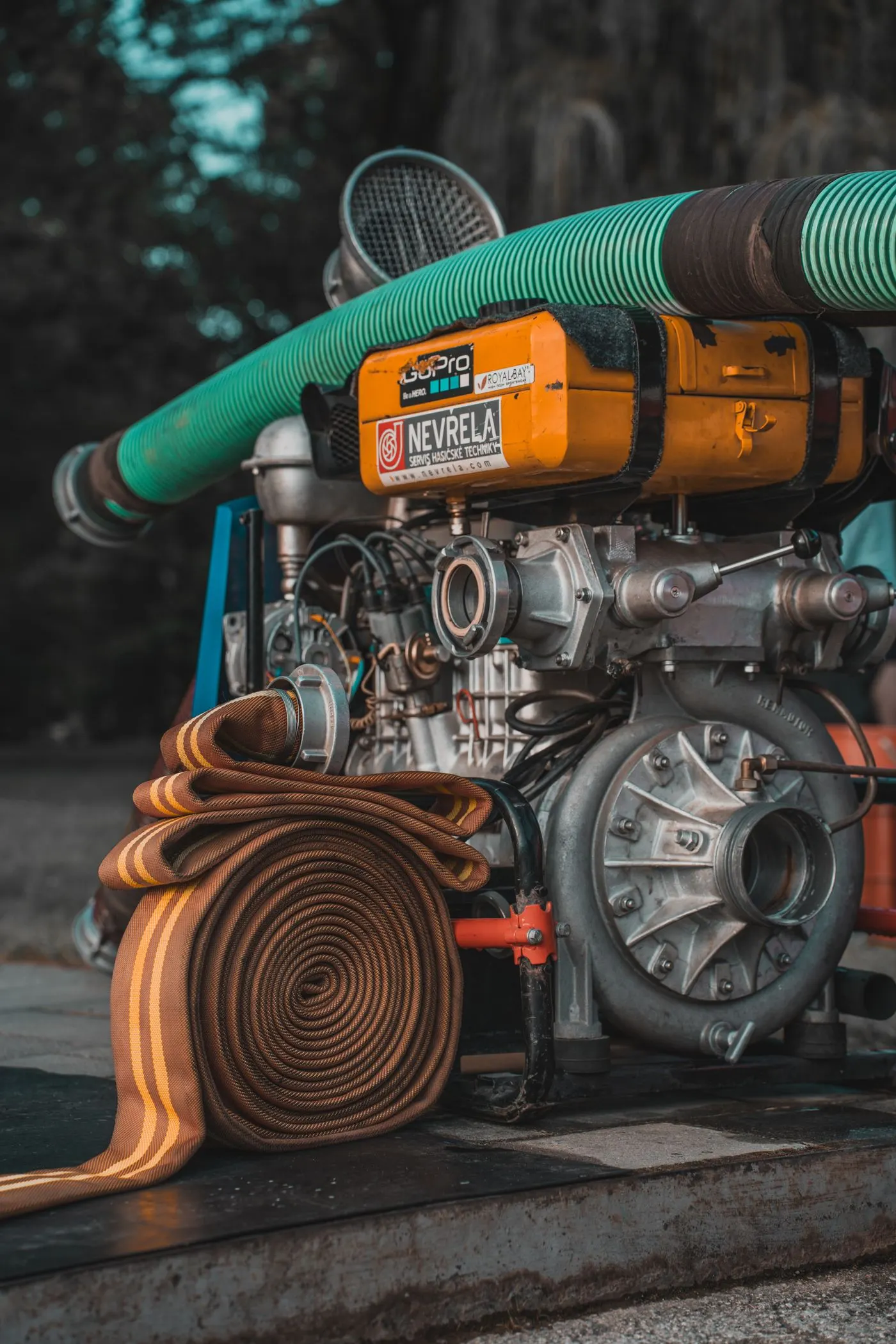
Water extraction and drying
Pumping out standing water and drying floors, walls and air.
Burst pipe cleanup
Water damage from frozen or failed pipes, supply lines and water heaters.
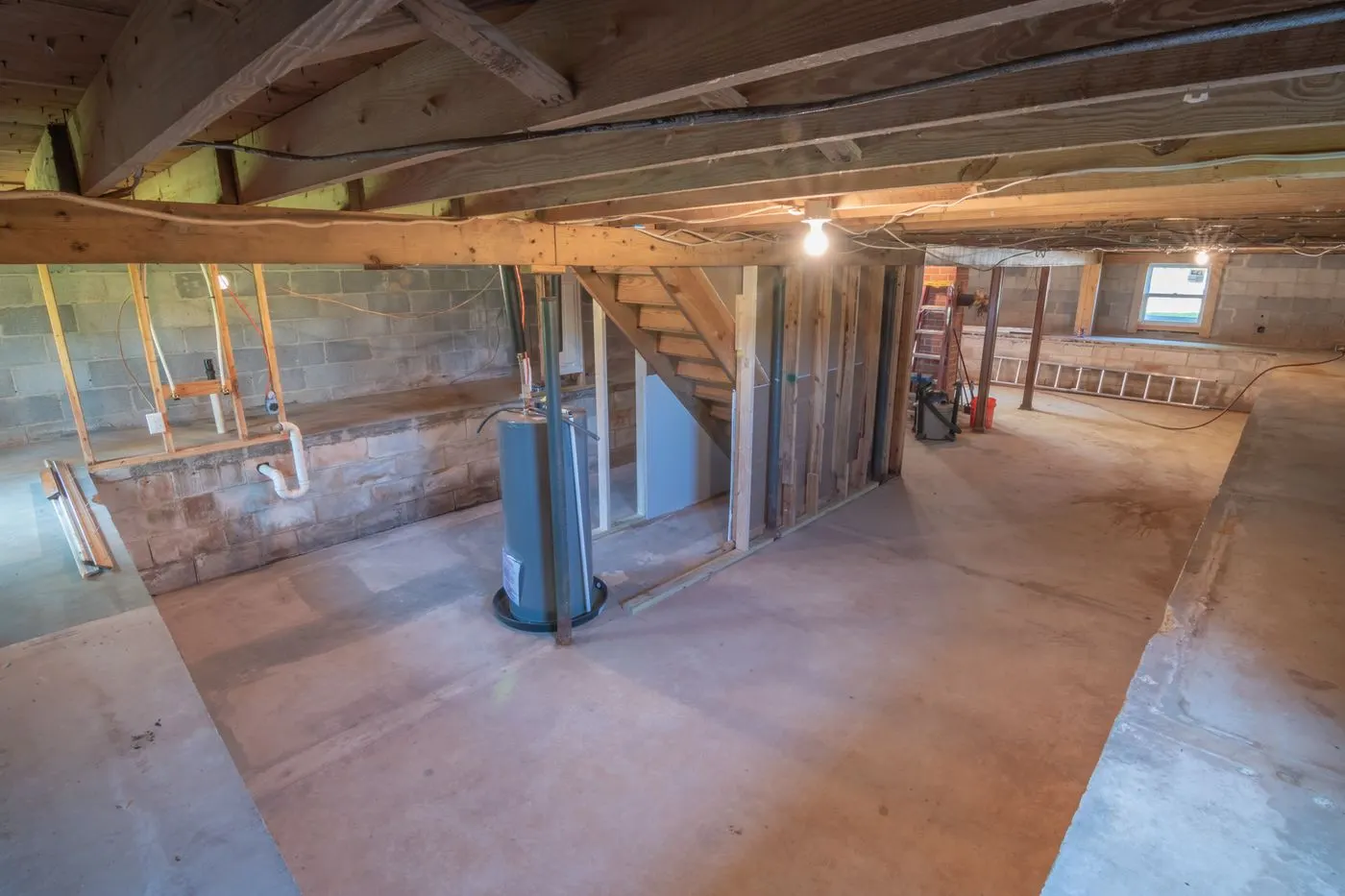
Flooded basement cleanup
Water in the basement from storms, groundwater, sump failure or appliances.
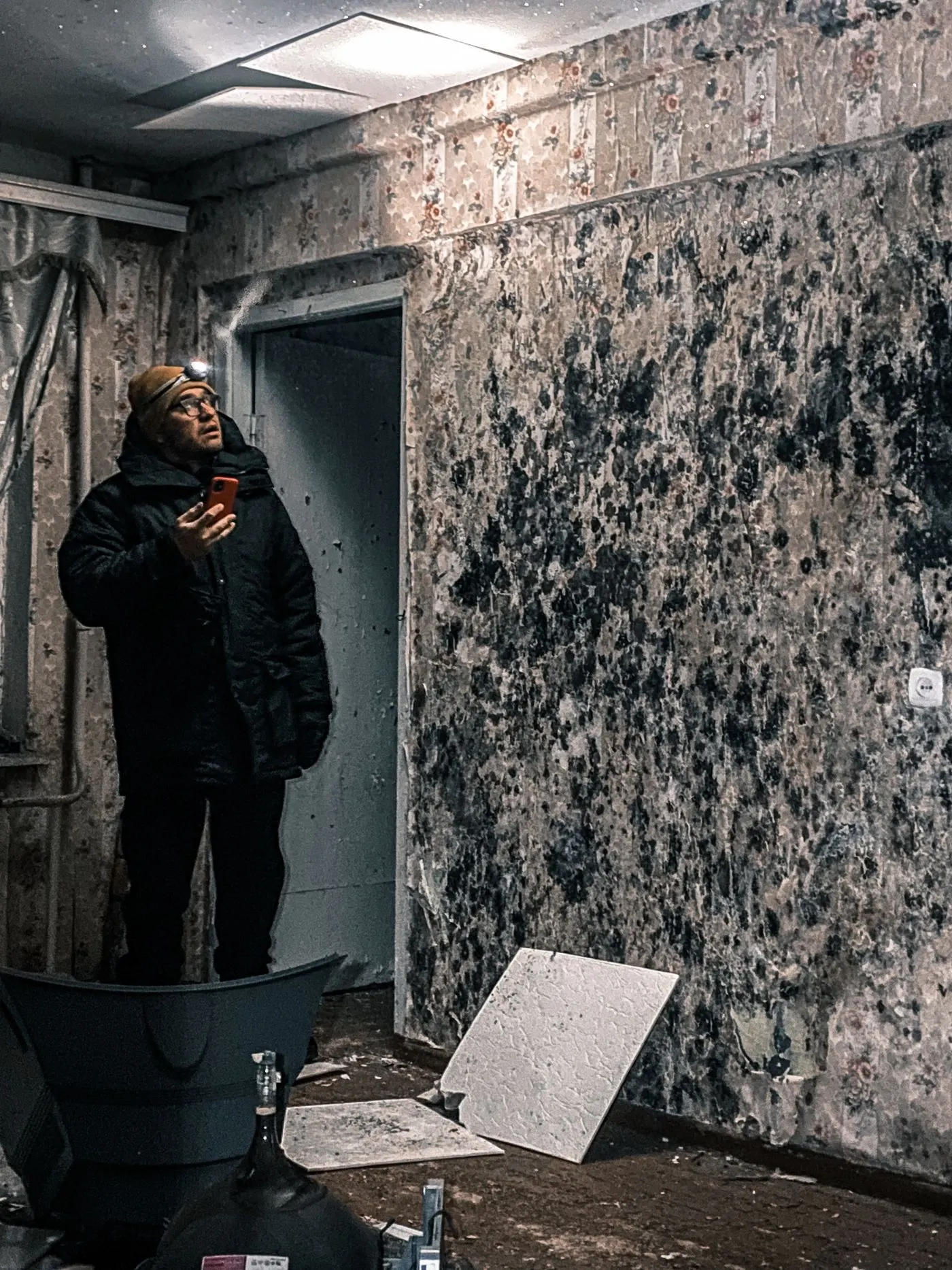
Mold remediation after water damage
Mold cleanup when a leak or flood was not dried in time.
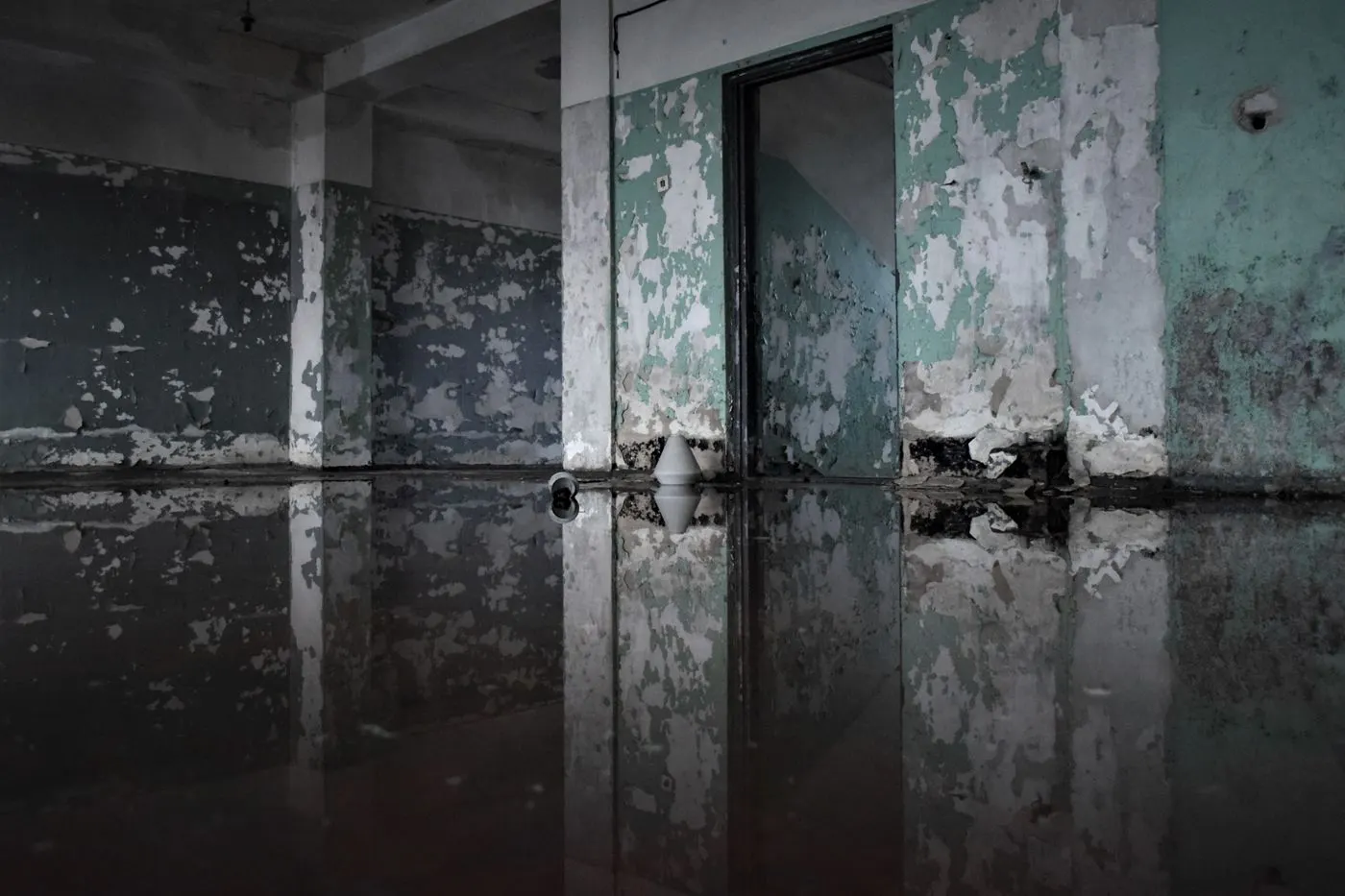
Sewage backup cleanup
Sewer and drain backups into basements, tubs and floor drains.
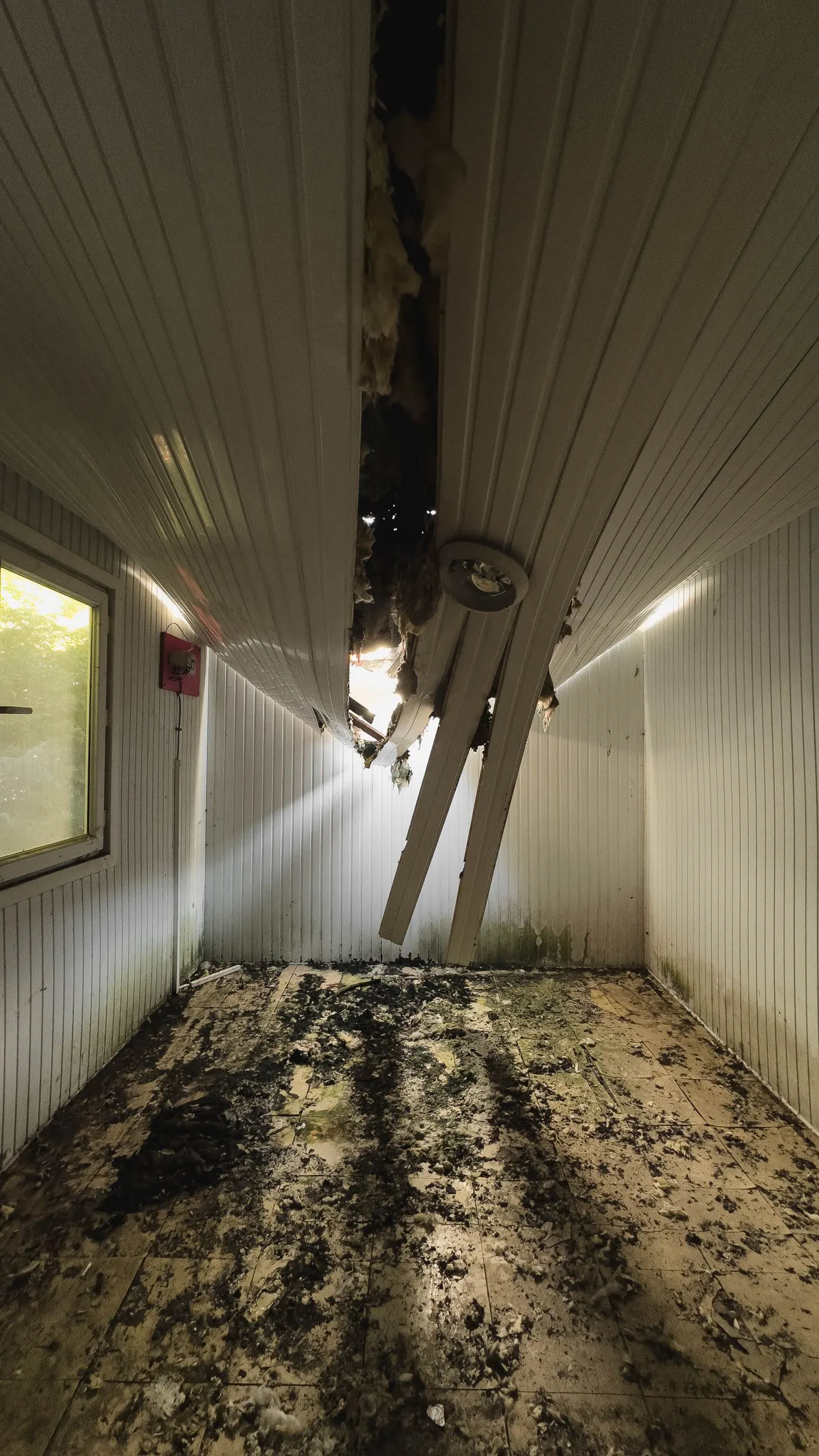
Storm and roof leak damage
Ceiling stains, wet attics and walls after storms, ice dams or roof leaks.