How extraction works
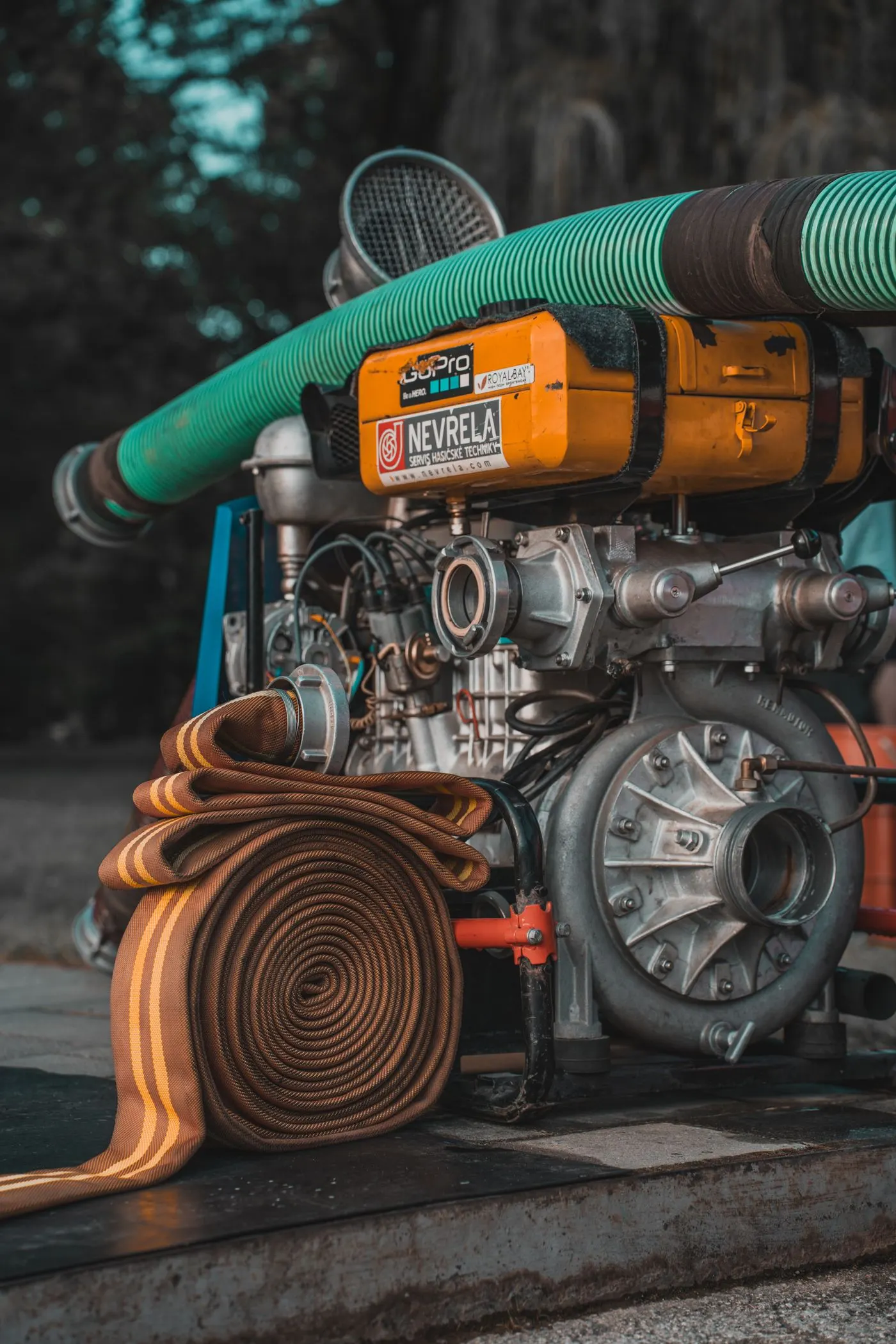
For deep water, contractors use submersible or trash pumps to move water out through a hose. For shallower water and wet carpet, they use truck-mounted or portable extractors that pull water out of the carpet and pad. Extraction removes far more water than drying ever could, so it comes first. The more water that comes out at this stage, the shorter the drying stage tends to be.
How drying works
After extraction, the crew sets air movers to blow across wet surfaces and dehumidifiers to pull that moisture out of the air. For hardwood floors they may use drying mats. For wall cavities they may drill small holes near the floor to push air inside. They take readings each day and move or remove equipment as areas dry.
Expect noise and warm air while the equipment runs. Keep doors and windows closed unless the contractor says otherwise, because outside air in summer often carries more moisture than the air they are trying to create.
- Daily moisture readings recorded in a log
- Equipment placed by room and material
- Drywall, wood and subfloor checked separately
- Equipment removed only when readings hit target
What you can do while you wait
Once the power situation is safe, mop up what you can from hard floors, move furniture off wet carpet, put aluminum foil or plastic under furniture legs and hang wet rugs outside if the weather allows. Do not use a household vacuum on standing water. Do not turn on central heat or air without asking the contractor, since blowing air through wet ducts can spread moisture and odors.
When drying is finished
Drying is done when moisture readings in each material match a dry reference area in your house, not when the calendar says so. Ask the contractor to show you the final readings. If floors are being covered back up or walls closed in, those readings are your proof that nothing wet is being sealed inside.
Hardwood, plaster and concrete
Some materials dry slowly and need extra attention. Solid hardwood absorbs water and cups as the bottom swells, so contractors may use drying mats that pull moisture up through the boards. Plaster on wood lath can look fine while the lath behind it stays wet. Basement slabs and foundation walls hold water for a long time, which is why basements often need more days of dehumidification than the rooms above. Tell the contractor what your floors and walls are made of when they first call, because it changes what equipment they bring.
Electric bills go up while drying equipment runs, since air movers and dehumidifiers draw steady power. Ask the contractor roughly how many units will run and for how long so you are not surprised.
Typical extraction and drying costs
National figures from Fixr. Not quotes.
| Item | Typical range |
|---|---|
| Clean water extraction, per sq. ft. | about $3.75 to $4.25 |
| Gray water extraction, per sq. ft. | about $4.10 to $6.50 |
| Black water extraction, per sq. ft. | about $7 to $7.50 |
| Drying a 500 sq. ft. basement | about $2,000 to $7,000 |
Rounded national figures. Repairs are extra. Your price depends on the water category, square footage, materials and how long equipment has to run.
Sources: Fixr, water damage restoration
Questions homeowners ask
How long do drying fans need to run?
Often three to five days, sometimes longer for hardwood, plaster or dense materials. The contractor should decide based on daily moisture readings, not a fixed schedule.
Can carpet be saved after water damage?
Carpet soaked with clean water and dried quickly can often be saved, though the pad is usually replaced. Carpet soaked with sewage or outside flood water is normally thrown out.
Why does my house smell musty after a leak?
A musty smell usually means materials are still damp or mold has started. Ask for moisture readings in that area. Masking the smell with fresheners does not fix the cause.
Other services
Water damage restoration
Full cleanup after a leak or flood: water removal, drying, and repairs.
Burst pipe cleanup
Water damage from frozen or failed pipes, supply lines and water heaters.
Flooded basement cleanup
Water in the basement from storms, groundwater, sump failure or appliances.
Mold remediation after water damage
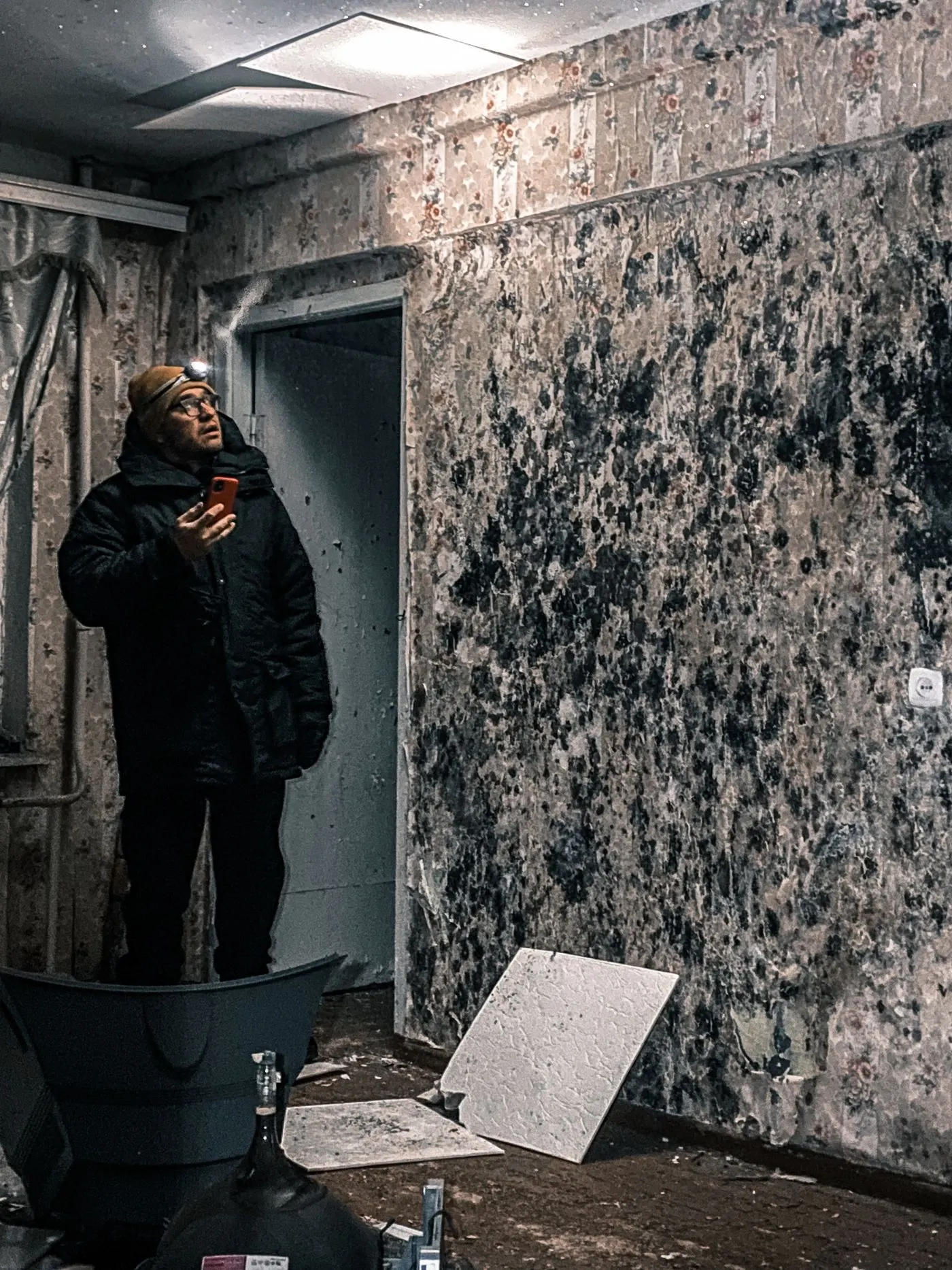
Mold cleanup when a leak or flood was not dried in time.
Sewage backup cleanup
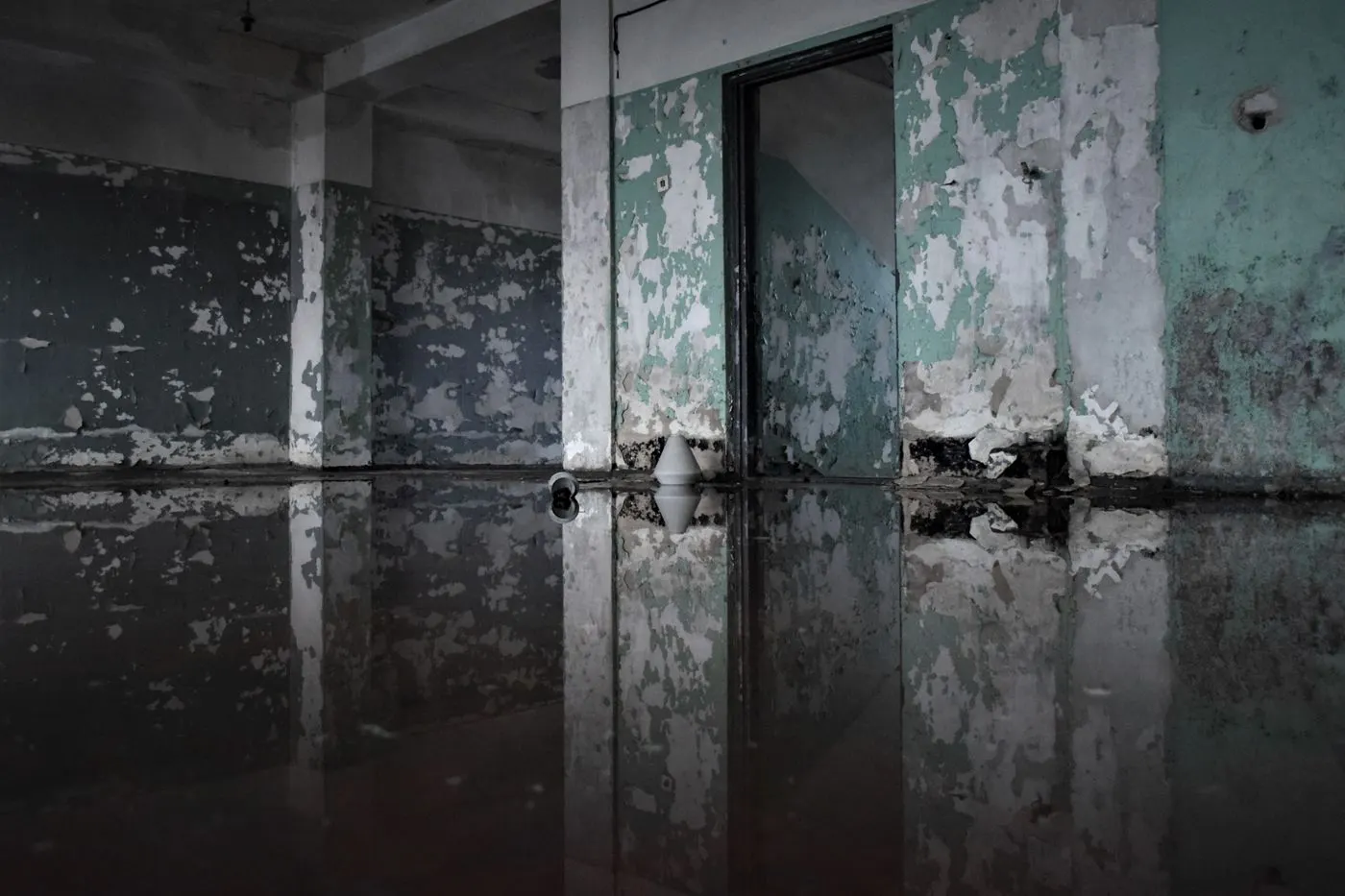
Sewer and drain backups into basements, tubs and floor drains.
Storm and roof leak damage
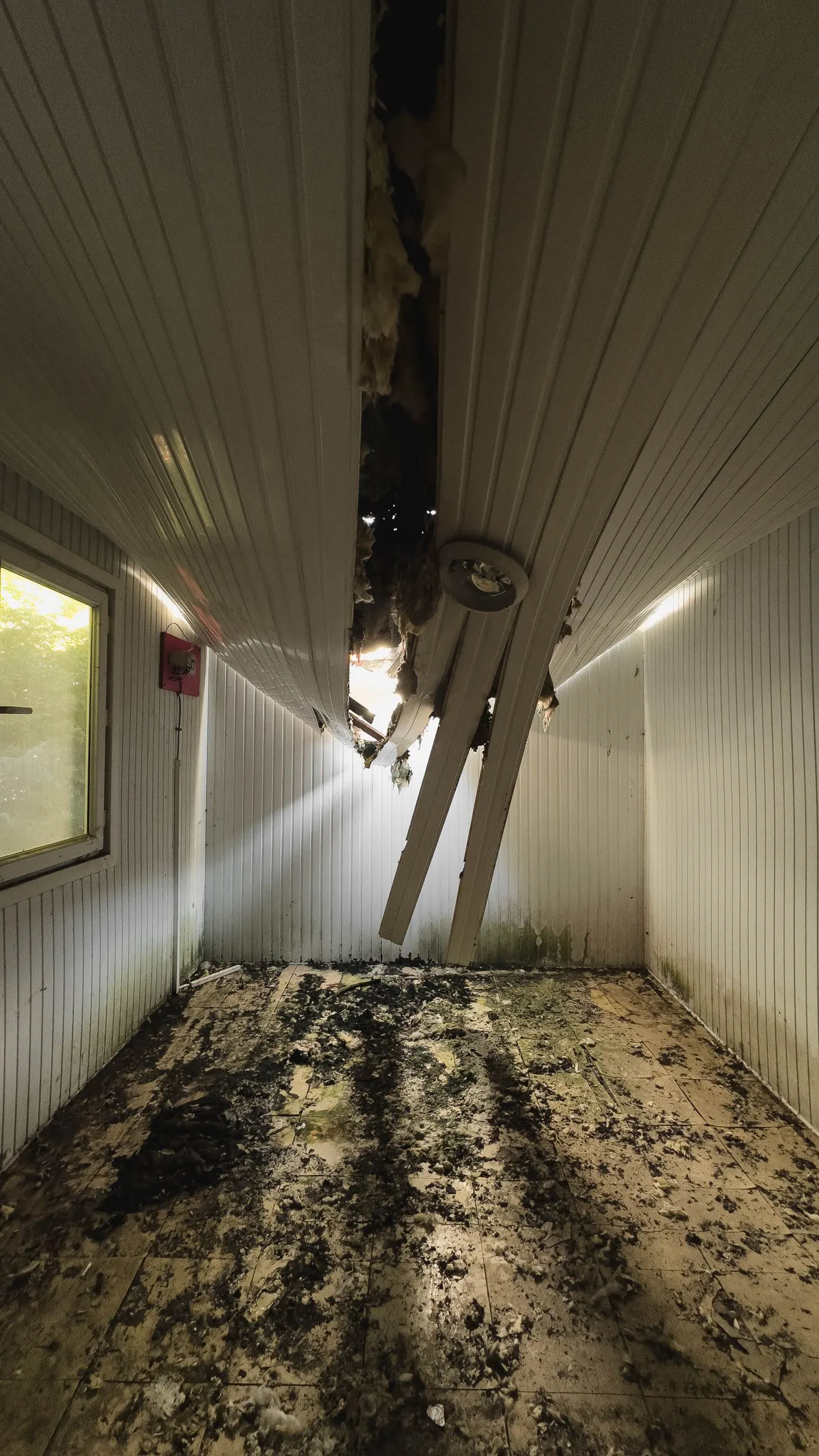
Ceiling stains, wet attics and walls after storms, ice dams or roof leaks.