Right now
Stop running water anywhere in the house, because every flush and every load of laundry adds to the backup. Stay out of the water. If it is near electrical outlets or the panel, call your utility or an electrician. Open windows if you can do it without walking through the water. Photograph the damage. Then call a plumber or your municipality to find out whether the blockage is in your line or in the public sewer.
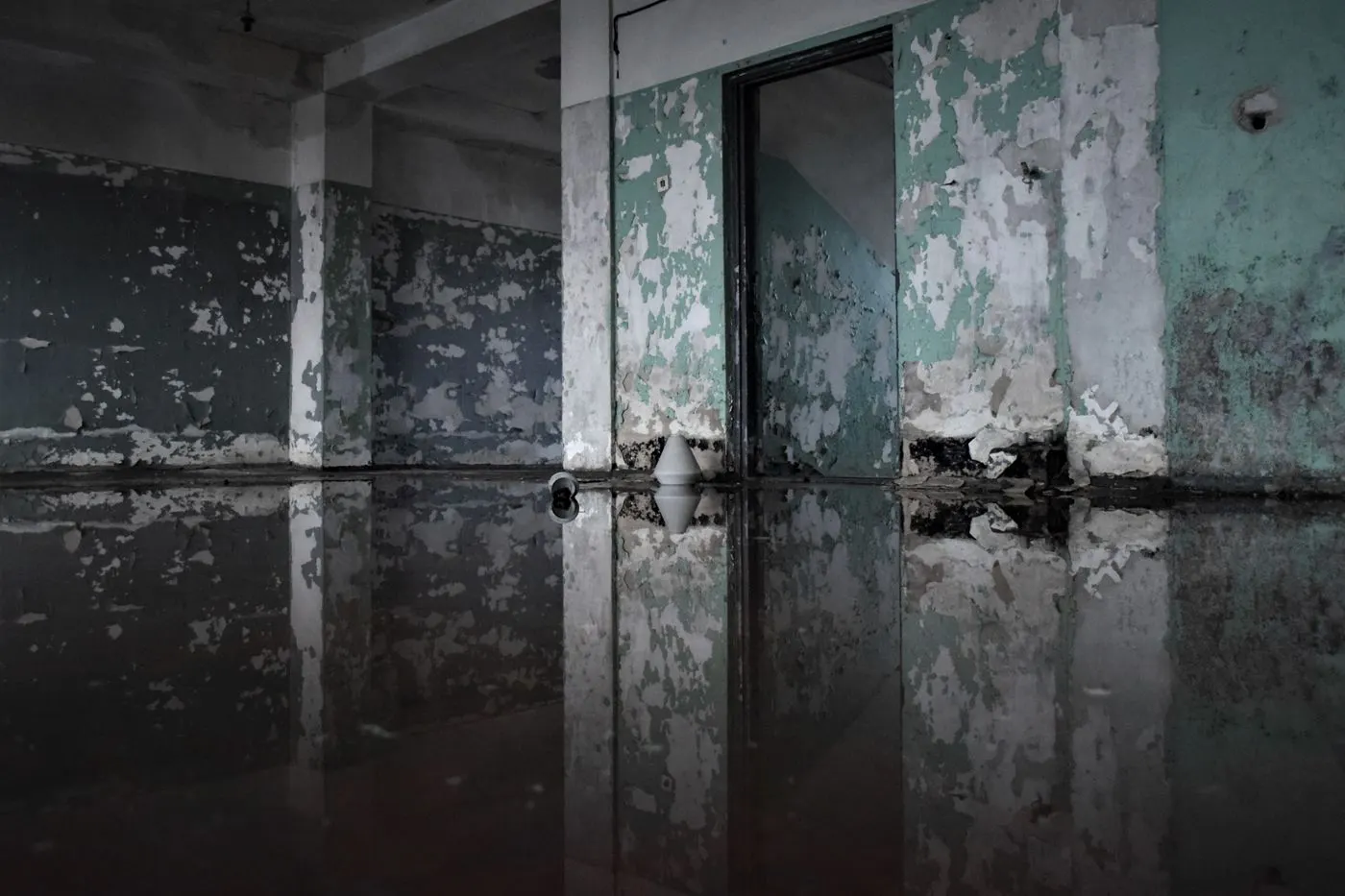
Why backups happen
Common causes include tree roots in older clay or cast iron sewer laterals, grease and wipes that build up in the line, a collapsed pipe, and heavy storms that overload the public system. In older Westchester neighborhoods, many sewer laterals are decades old. When a storm overloads the public sewer, water can push back up through the lowest drain in the house, usually a basement floor drain or toilet.
Who pays to clear a blockage depends on where it is. Your village or city can tell you where its responsibility ends and yours begins.
- Roots in old sewer laterals
- Grease, wipes and debris in the line
- Collapsed or sagging pipe
- Storm overload of the public sewer
What cleanup involves
Crews wear protective gear and remove standing sewage, then take out porous materials it touched. Carpet, pad, drywall up to a safe height above the waterline, insulation and cardboard usually go. Hard surfaces are cleaned and disinfected, the area is dried with air movers and dehumidifiers, and some contractors test surfaces afterward. This is not a job to do yourself.
Insurance and prevention
Standard homeowners policies often do not cover sewer backups unless you added a sewer or water backup endorsement. Check your policy before you need it. For prevention, ask a plumber about a backwater valve, a camera inspection of your lateral, and keeping grease and wipes out of the drains.
Health and safety during cleanup
Keep children, pets and anyone with a weakened immune system out of the affected area until cleanup is finished. Wash hands well after any contact with items from the area. Throw out food, medicine or cosmetics that sewage touched. If anyone gets a cut or wound while near the water, clean it right away and watch for signs of infection. Once the contractor finishes, ask whether they tested or confirmed that surfaces are clean before the area is rebuilt.
Do not run the HVAC system if ducts or returns sit in the affected area until the contractor has checked them.
Typical sewage cleanup costs
Published national figures. Not quotes.
| Item | Typical range |
|---|---|
| Sewage backup cleanup, most homeowners | about $2,000 to $10,000 |
| Black water cleanup, per sq. ft. | about $7.50 |
| Black water extraction, per sq. ft. | about $7 to $7.50 |
National figures, rounded. Plumbing and sewer line repairs are separate. Your price depends on the area affected and what must be removed and rebuilt.
Sources: Bob Vila, sewage backup cleanup; Fixr, water damage restoration
Questions homeowners ask
Is sewage backup dangerous?
Yes. Sewage carries bacteria and viruses. Avoid contact, keep children and pets away, and leave cleanup to people with protective equipment.
Does insurance cover sewer backup?
Often only if you have a sewer or water backup endorsement on your homeowners policy. Check your policy with your insurer.
Can sewage-soaked carpet be cleaned?
Usually no. Carpet and pad soaked by sewage are normally removed and thrown away. Hard surfaces can be cleaned and disinfected.
How do I stop backups from happening again?
Ask a plumber to camera-inspect your sewer line and discuss a backwater valve. Keep grease, wipes and paper towels out of drains.
Other services
Water damage restoration
Full cleanup after a leak or flood: water removal, drying, and repairs.
Water extraction and drying
Pumping out standing water and drying floors, walls and air.

Burst pipe cleanup
Water damage from frozen or failed pipes, supply lines and water heaters.
Flooded basement cleanup
Water in the basement from storms, groundwater, sump failure or appliances.
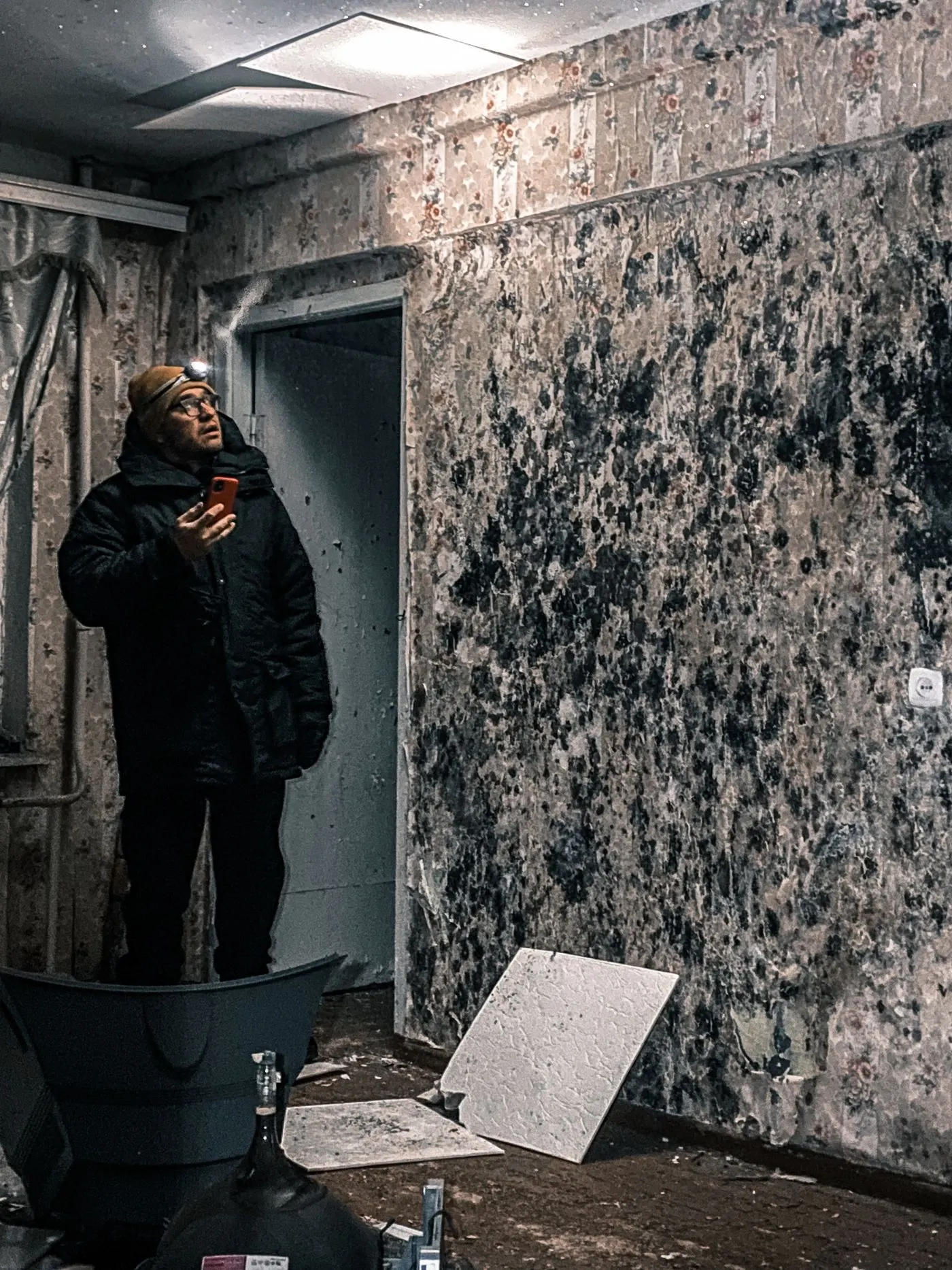
Mold remediation after water damage
Mold cleanup when a leak or flood was not dried in time.
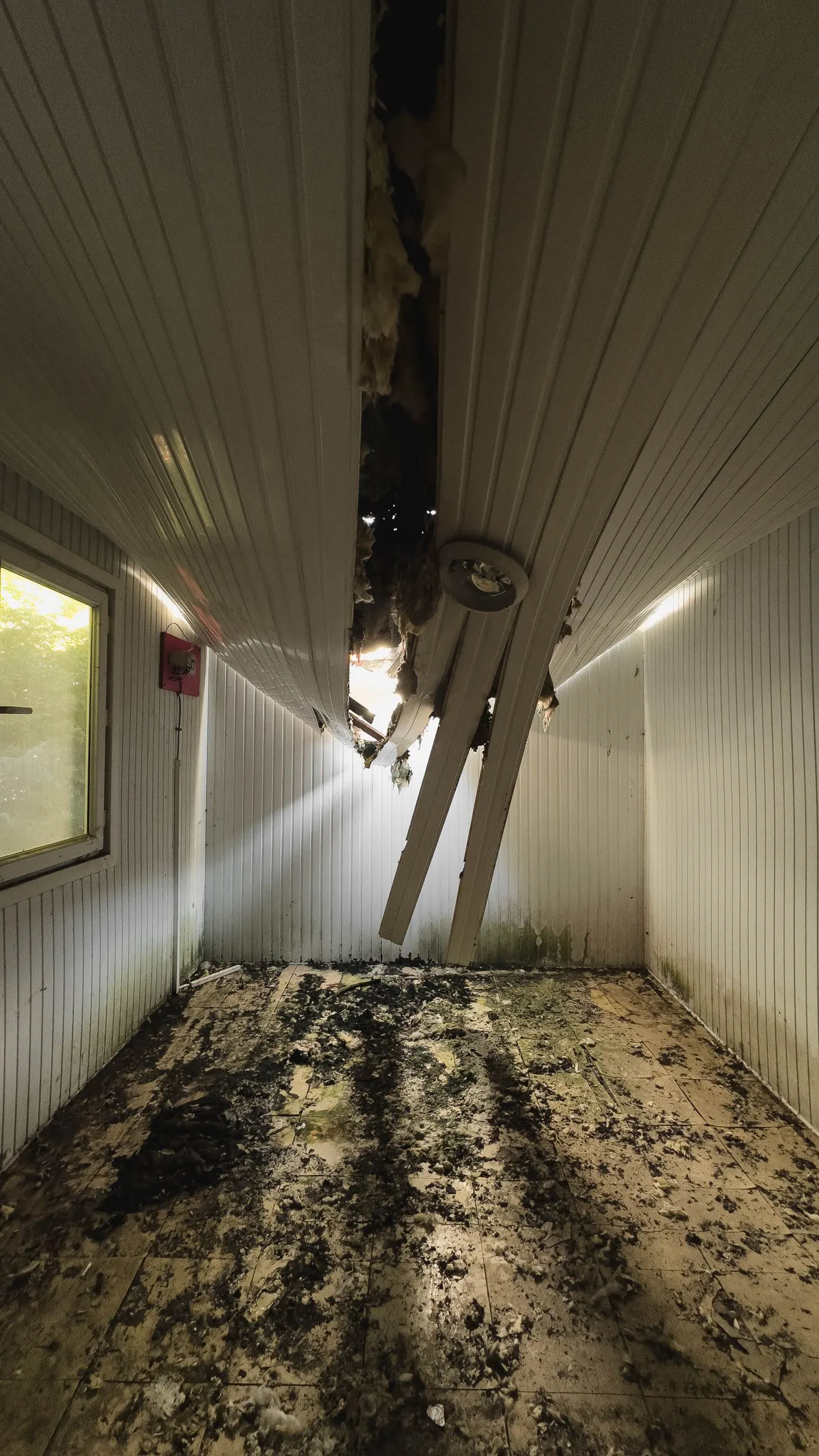
Storm and roof leak damage
Ceiling stains, wet attics and walls after storms, ice dams or roof leaks.