Safety before anything else
Standing water and electricity are a deadly mix. If water is near the panel, outlets, a furnace or a water heater, stay on the stairs and call your electric utility or an electrician. If you smell gas, leave the house and call 911 or your gas utility from outside. Water from outside floods can carry sewage and chemicals, so wear boots and gloves if you have to go in after the power is off.
Where basement water comes from
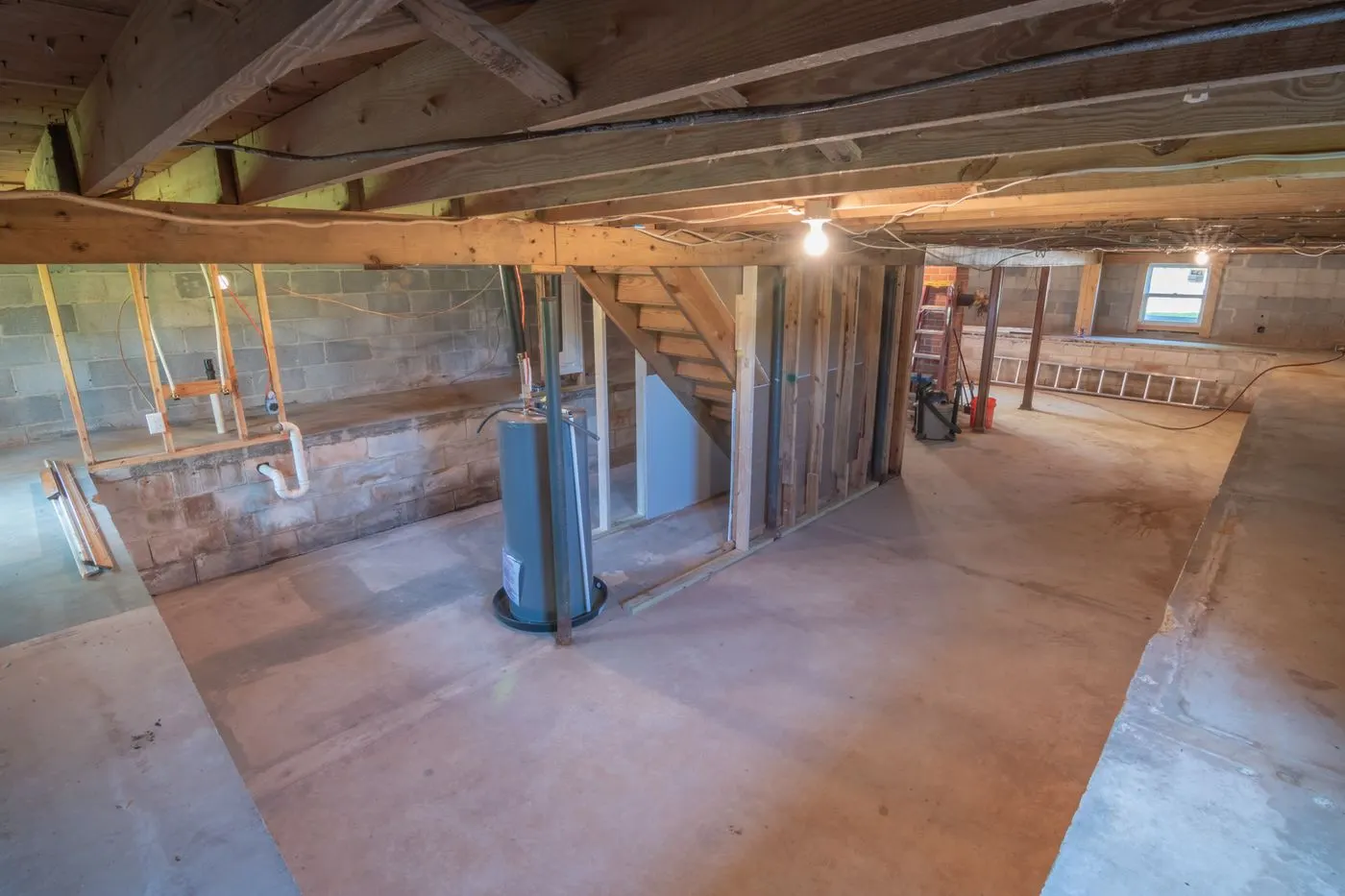
Knowing the source changes the fix. After heavy rain, water can come through foundation cracks, the joint where the wall meets the floor, window wells or a floor drain that backs up. A sump pump that loses power or burns out lets groundwater rise. Inside the house, a failed water heater, washing machine hose or burst pipe can flood a basement on a dry day.
Parts of this area have a long history with storm flooding. During Ida in 2021, the Bronx River Parkway was closed from White Plains south to Bronxville, and many Scarsdale homeowners reported water in lower levels. If your basement takes water every big storm, cleanup is only half the job. Once things are dry, ask a waterproofing contractor about drainage and the sump pump.
- Storm water through walls, floor joints or window wells
- Groundwater when a sump pump fails
- Sewer or floor drain backup
- Water heater, washer or plumbing failure
What cleanup involves
The contractor pumps out standing water, removes wet carpet, pad and any drywall or insulation that cannot be dried, cleans and disinfects surfaces if the water was contaminated, and then sets air movers and dehumidifiers. Concrete holds a lot of water and dries slowly, so expect equipment to run for days. Boxes, furniture and stored items should be moved, photographed and sorted into keep and discard piles.
Insurance and basement floods
Coverage depends on where the water came from. A burst pipe or failed water heater is often treated as sudden and accidental water damage. Surface water from outside is usually excluded from standard homeowners policies and covered only by separate flood insurance. Sewer or drain backups often need a specific endorsement. Call your insurer or agent and ask how your policy treats your situation.
Furnaces, water heaters and appliances
If water reached the furnace, boiler, water heater or electrical equipment, do not turn it back on until a qualified technician has checked it. Water can damage burners, controls, gas valves and wiring in ways that are not visible. Your utility or a licensed heating contractor can tell you whether equipment is safe to restart. Washers and dryers that sat in flood water should be checked before use as well.
Typical flooded basement costs
National figures from Fixr. Not quotes.
| Item | Typical range |
|---|---|
| Drying a 500 sq. ft. basement | about $2,000 to $7,000 |
| Water extraction, per sq. ft. | about $3.75 to $7.50 |
| Flooded basement cleanup, full range | about $2,000 to $85,000 |
| Carpet restoration, per sq. ft. | about $4.75 to $10.50 |
National figures, rounded. The high end of the full range reflects large finished basements with contamination and full rebuild. Your price depends on depth, water category and finishes.
Sources: Fixr, water damage restoration
Questions homeowners ask
Can I pump out my own basement?
For a small amount of clean water with the power safely off, a wet vacuum or rented pump can help. For deep water, contaminated water or any electrical risk, leave it to a professional. Pumping too fast after a big flood can also stress foundation walls when the ground outside is saturated.
Is a flooded basement covered by insurance?
It depends on the source. Plumbing failures are often covered as sudden water damage, outside flood water usually needs flood insurance, and sewer backups often need an endorsement. Check your policy.
How do I stop it from happening again?
Once the basement is dry, look at the source: gutters and downspouts, grading, cracks, window wells and the sump pump. A waterproofing contractor can recommend drainage or a battery backup pump.
What should I throw out after a basement flood?
Porous items soaked by sewage or outside flood water, like carpet, pad, mattresses and cardboard, are usually discarded. Photograph everything before it goes, for your insurer.
Other services
Water damage restoration
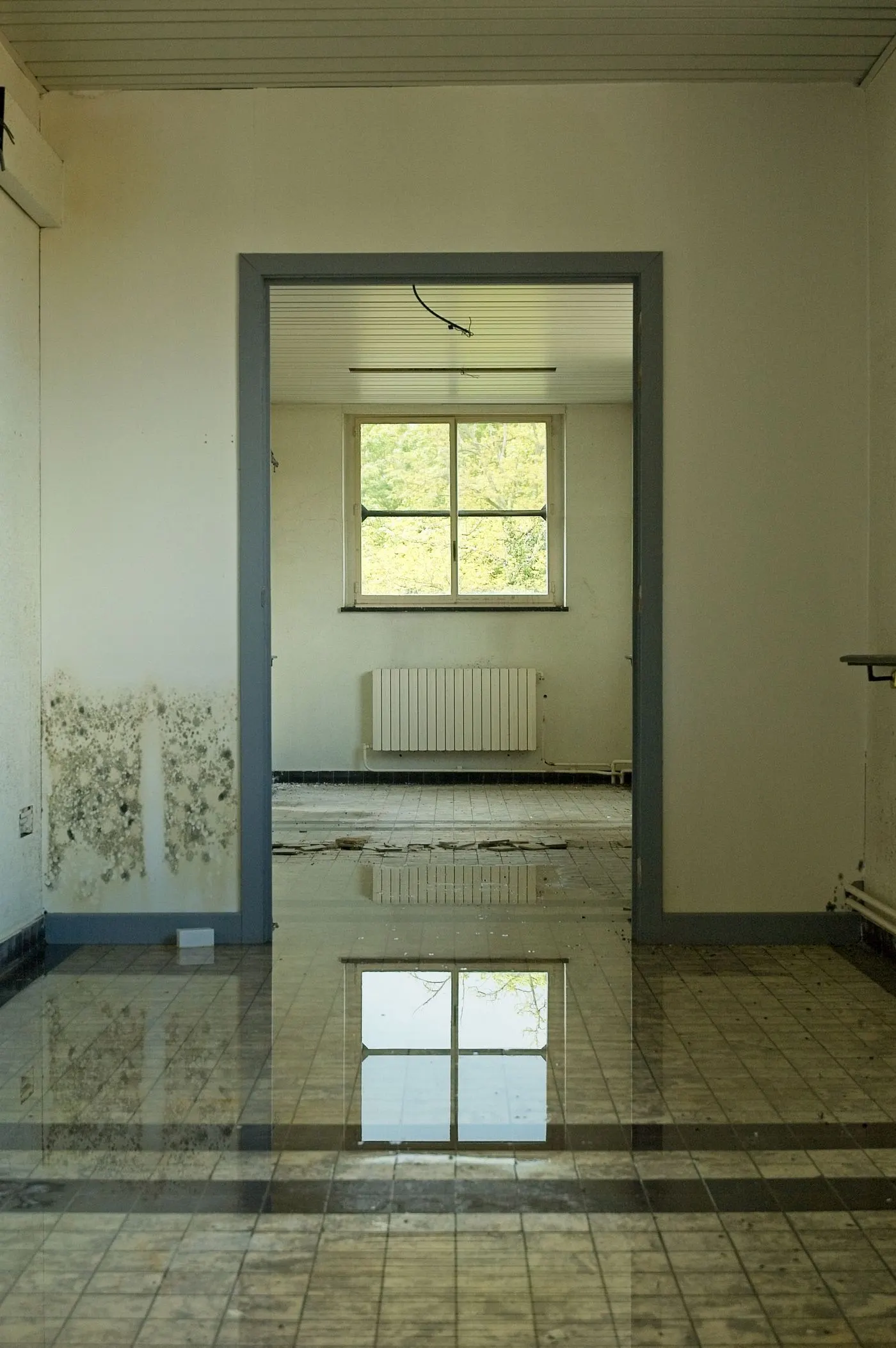
Full cleanup after a leak or flood: water removal, drying, and repairs.
Water extraction and drying
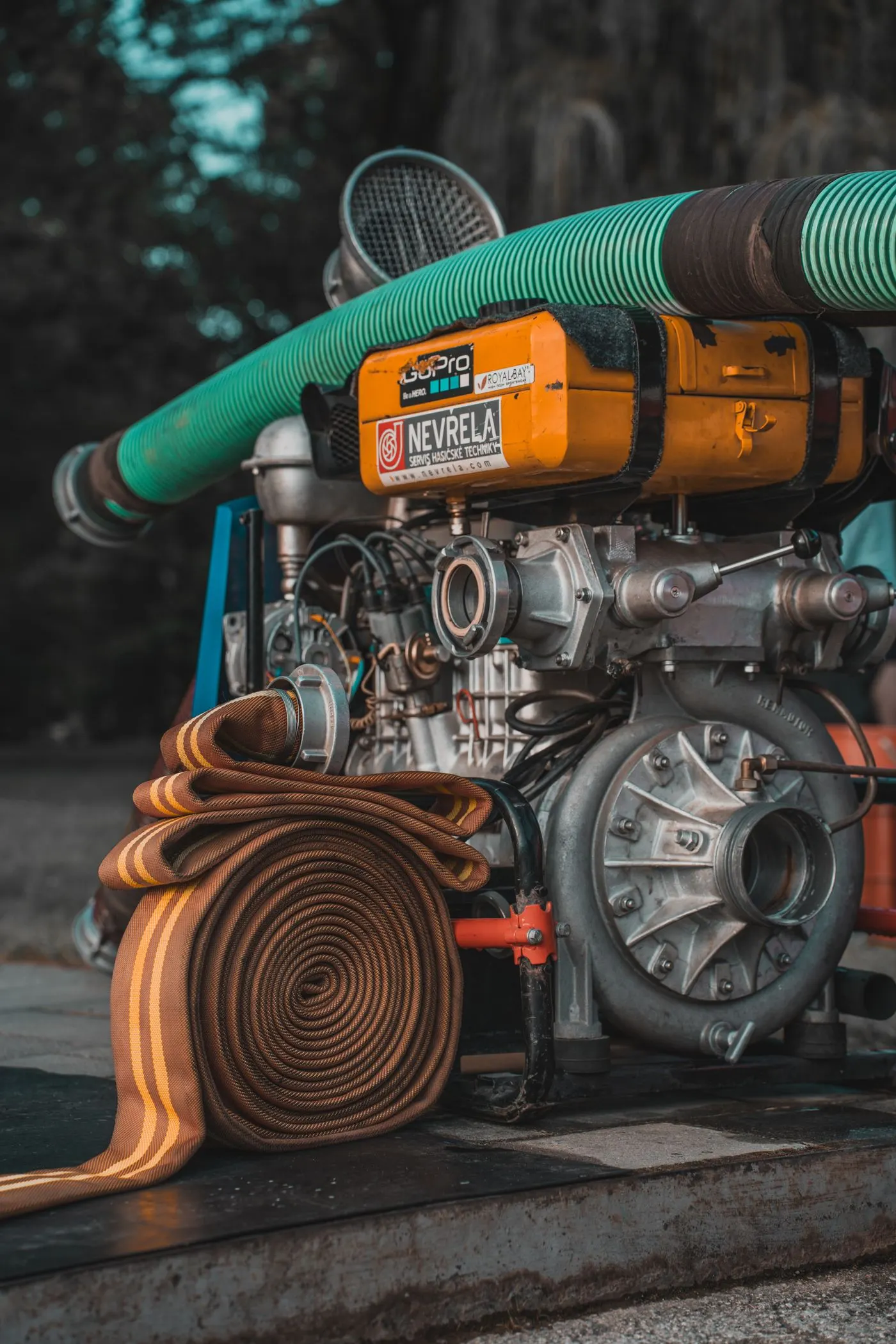
Pumping out standing water and drying floors, walls and air.

Burst pipe cleanup
Water damage from frozen or failed pipes, supply lines and water heaters.
Mold remediation after water damage
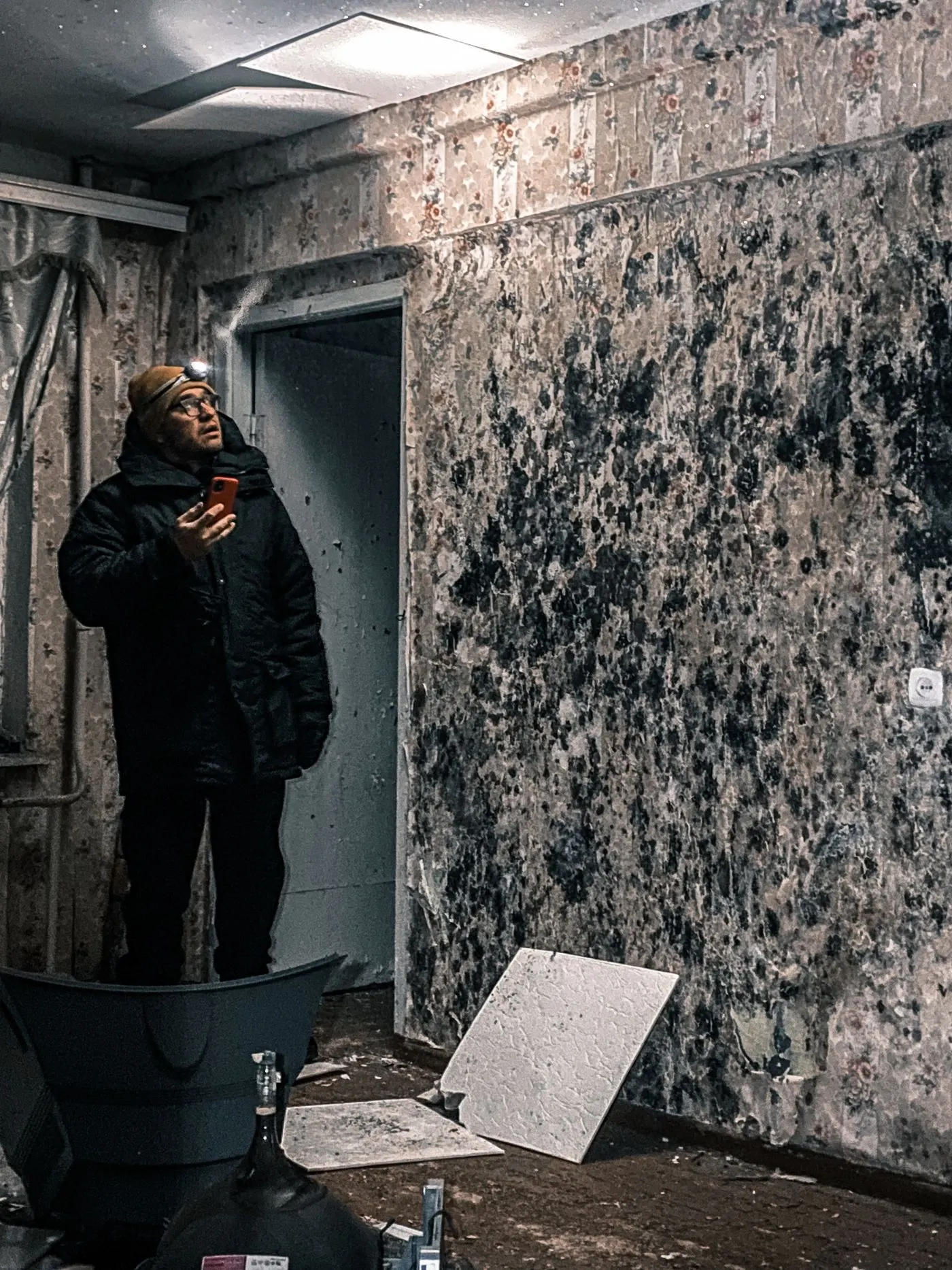
Mold cleanup when a leak or flood was not dried in time.
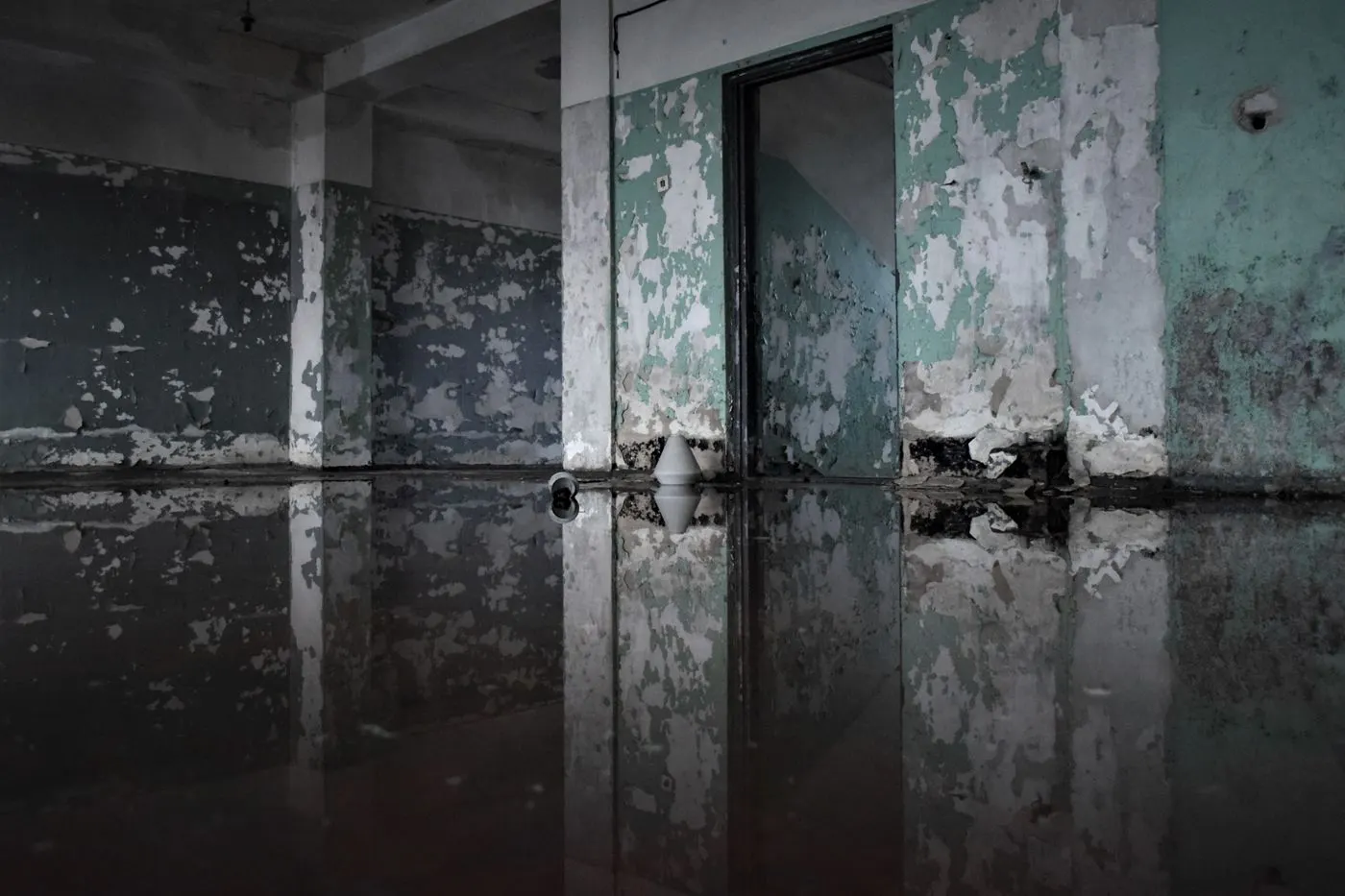
Sewage backup cleanup
Sewer and drain backups into basements, tubs and floor drains.
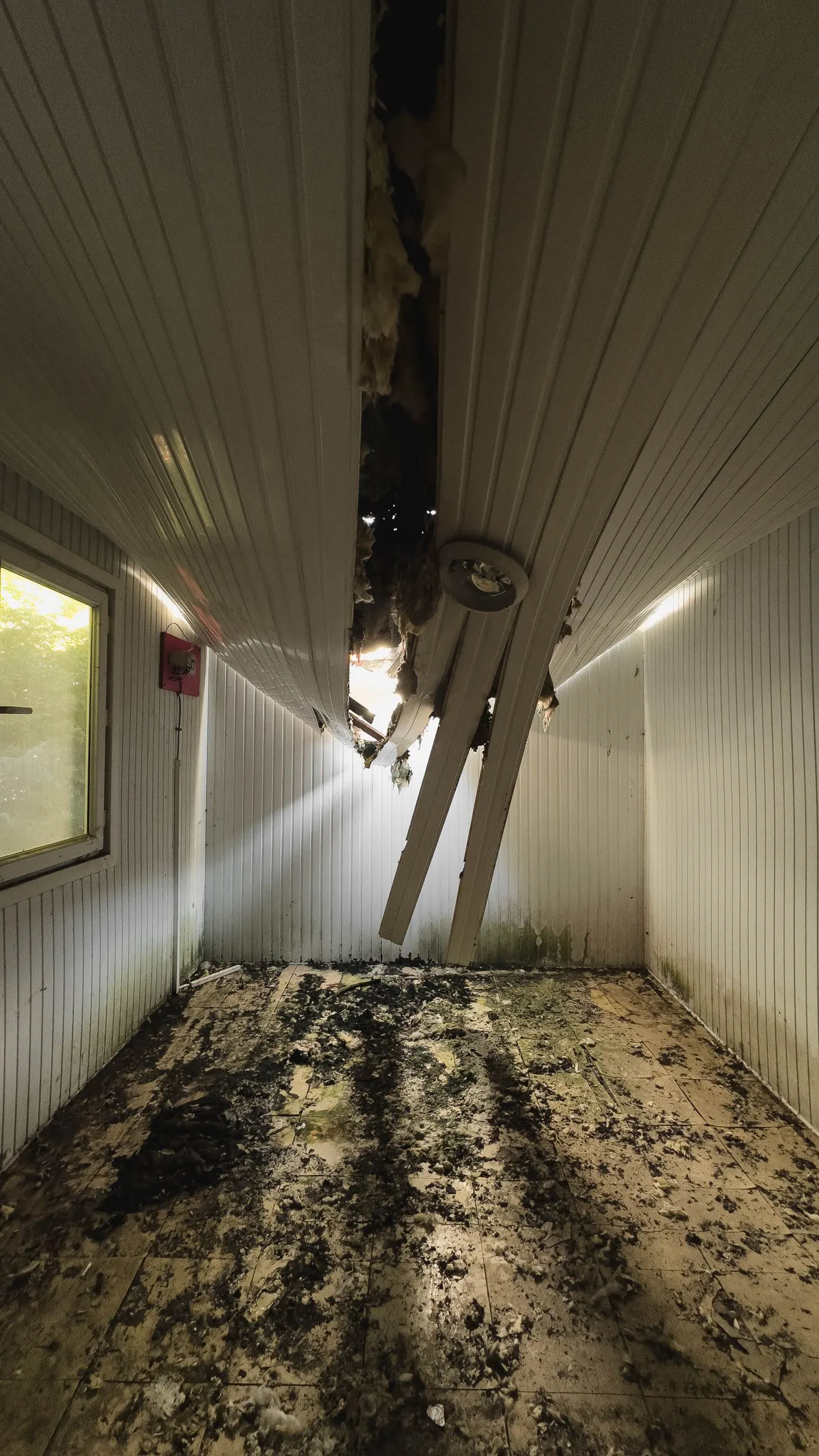
Storm and roof leak damage
Ceiling stains, wet attics and walls after storms, ice dams or roof leaks.