Fix the water first
Mold needs moisture. Cleaning it without fixing the leak, the humidity or the drainage that caused it means it will come back. A good contractor will ask where the water came from and confirm that the source is fixed and the area is dry before they call the job done.
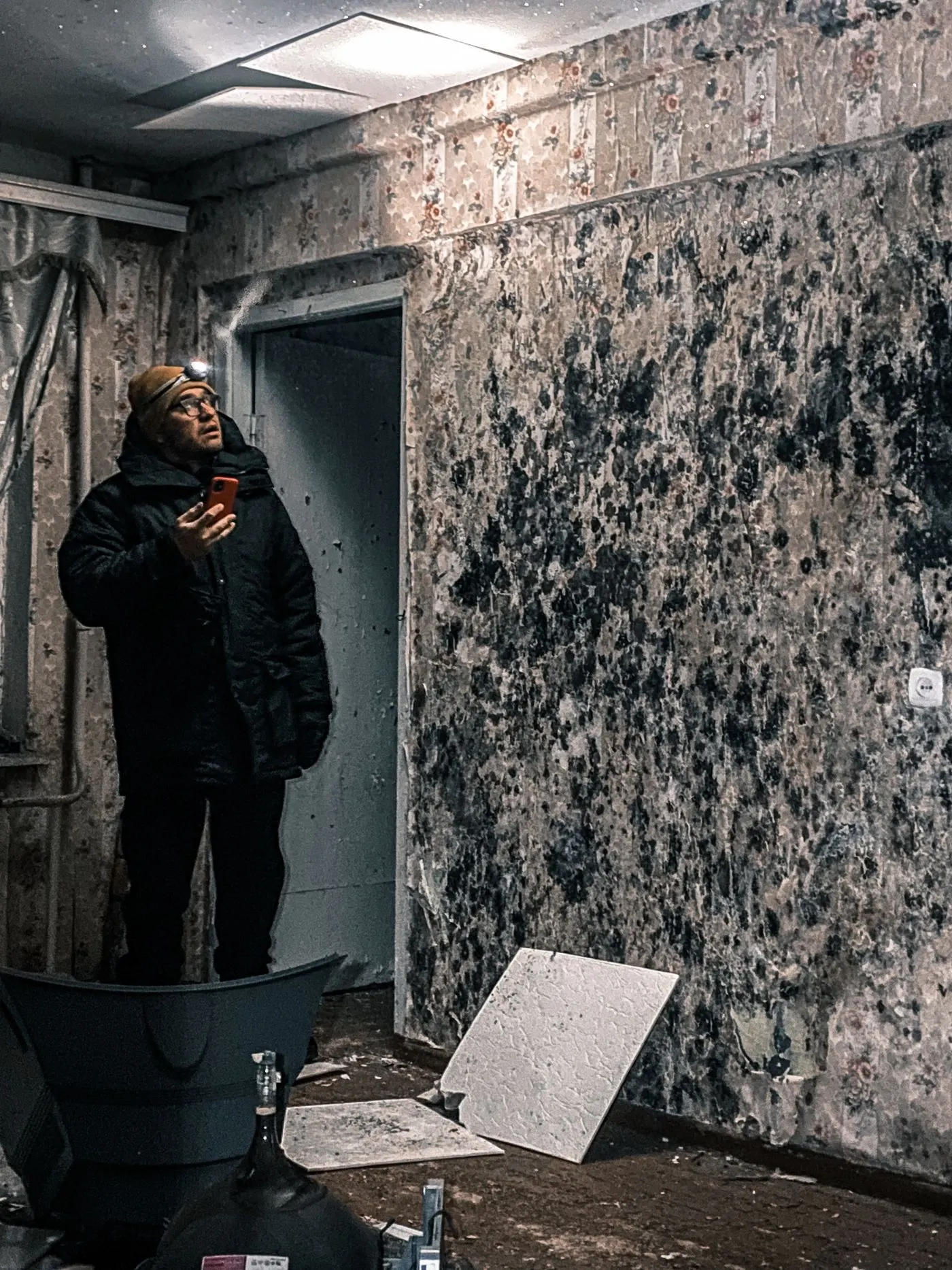
What remediation involves
For anything beyond a small patch, the contractor sets up containment with plastic sheeting and negative air pressure so spores do not spread through the house. They remove moldy porous materials like drywall, insulation and carpet, clean and treat hard surfaces, run HEPA air filtration and dry the area. Then they check that the work met the agreed goal.
The EPA's guidance for homes says areas larger than about 10 square feet are best handled by someone with remediation experience. Smaller patches on hard surfaces can often be cleaned with detergent and water, with gloves and eye protection.
- Find and fix the moisture source
- Contain the work area
- Remove moldy porous materials
- Clean, HEPA vacuum and dry
- Check results before rebuilding
Where mold hides
Look behind baseboards, under carpet pad, inside wall cavities below a leak, on the back of drywall in finished basements, in closets on outside walls and around windows with condensation. Musty smells are often the first sign. Basements in older Westchester homes with stone or block foundations can stay damp all summer, which is why dehumidifiers matter here.
Testing
Testing is not always needed when you can see the mold and you know the cause. It can be useful when you smell mold but cannot find it, when someone in the house has health concerns, or when you want independent confirmation that cleanup worked. In New York, mold assessment and mold remediation are licensed separately, and the state's rules generally keep one company from doing both on the same project. Ask your contractor which license they hold.
Questions to ask a remediation contractor
Ask for their New York State mold remediation license number, how they will contain the work area, what they will remove versus clean, and how they decide the job is finished. Ask whether an independent assessor will check the results, and get the scope and price in writing. If anyone in your home has asthma, allergies or a weakened immune system, mention it so the contractor can plan containment and timing.
Keep humidity in the basement below about 60 percent after the work is done. A dehumidifier that drains to a floor drain or sump runs all summer without anyone emptying a bucket.
Typical mold remediation costs
National figures from Fixr. Not quotes.
| Item | Typical range |
|---|---|
| Mold remediation, most jobs | about $1,500 to $9,000 |
| Basement mold remediation | about $1,500 to $4,000 |
| Remediation, per sq. ft. | about $10 to $30 |
| Mold inspection and testing | about $450 to $800 |
National figures, rounded, not quotes. Your price depends on the size and location of the growth, materials removed and containment needed.
Sources: Fixr, mold remediation
Questions homeowners ask
How soon can mold grow after a leak?
The EPA says mold can grow on wet materials within 24 to 48 hours. Fast drying is the best prevention.
Can I clean mold myself?
Small patches on hard surfaces can often be cleaned with detergent and water while wearing gloves and eye protection. For areas larger than about 10 square feet, mold inside walls, or mold after sewage, the EPA suggests professional help.
Does bleach kill mold?
Bleach is not recommended for routine mold cleanup in homes. Physical removal and drying are what matter. Never mix bleach with ammonia or other cleaners.
Is mold remediation covered by insurance?
Sometimes, when the mold resulted from a covered sudden water loss. Mold from long-term leaks or humidity is often excluded. Ask your insurer.
Other services
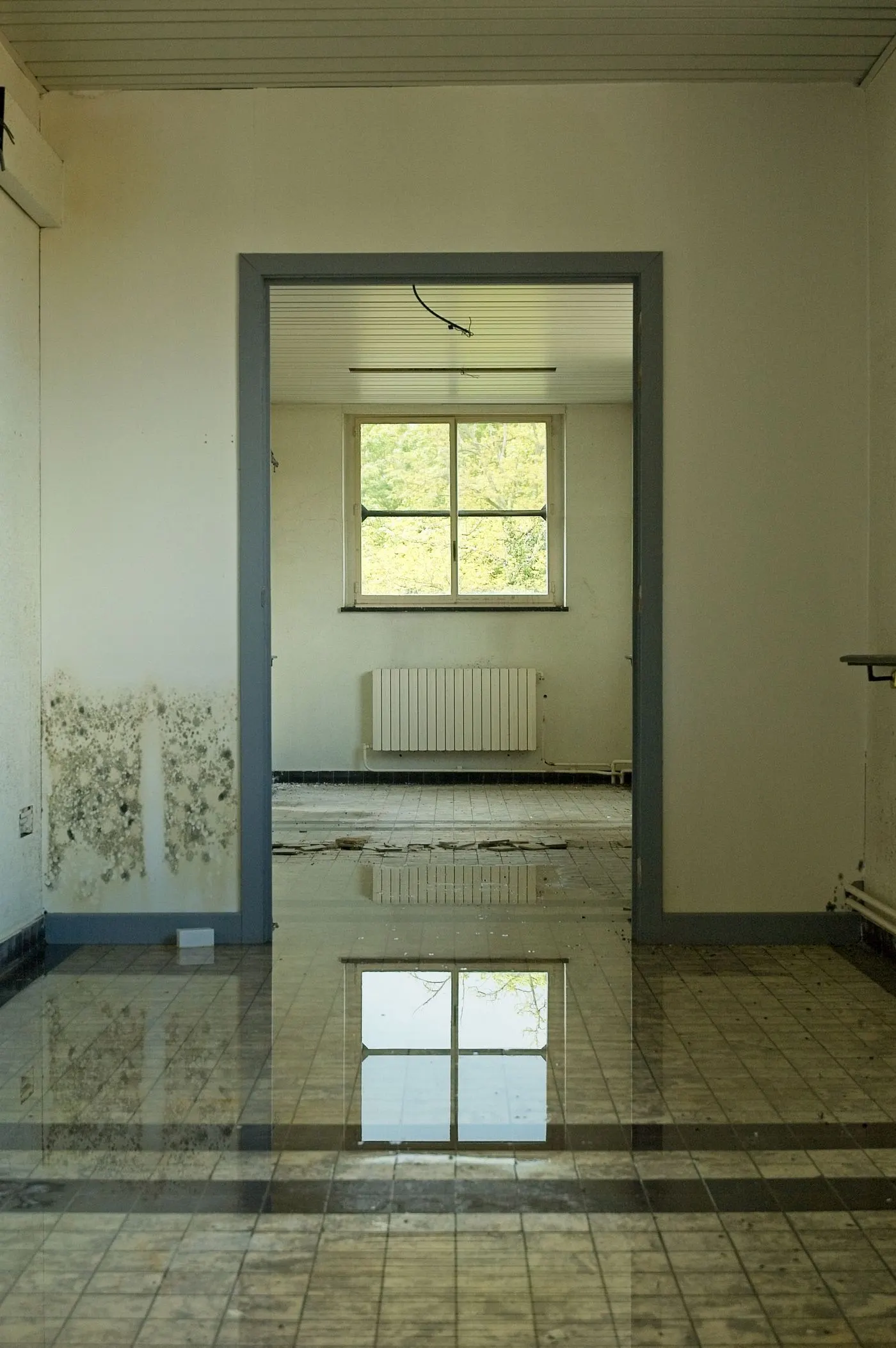
Water damage restoration
Full cleanup after a leak or flood: water removal, drying, and repairs.
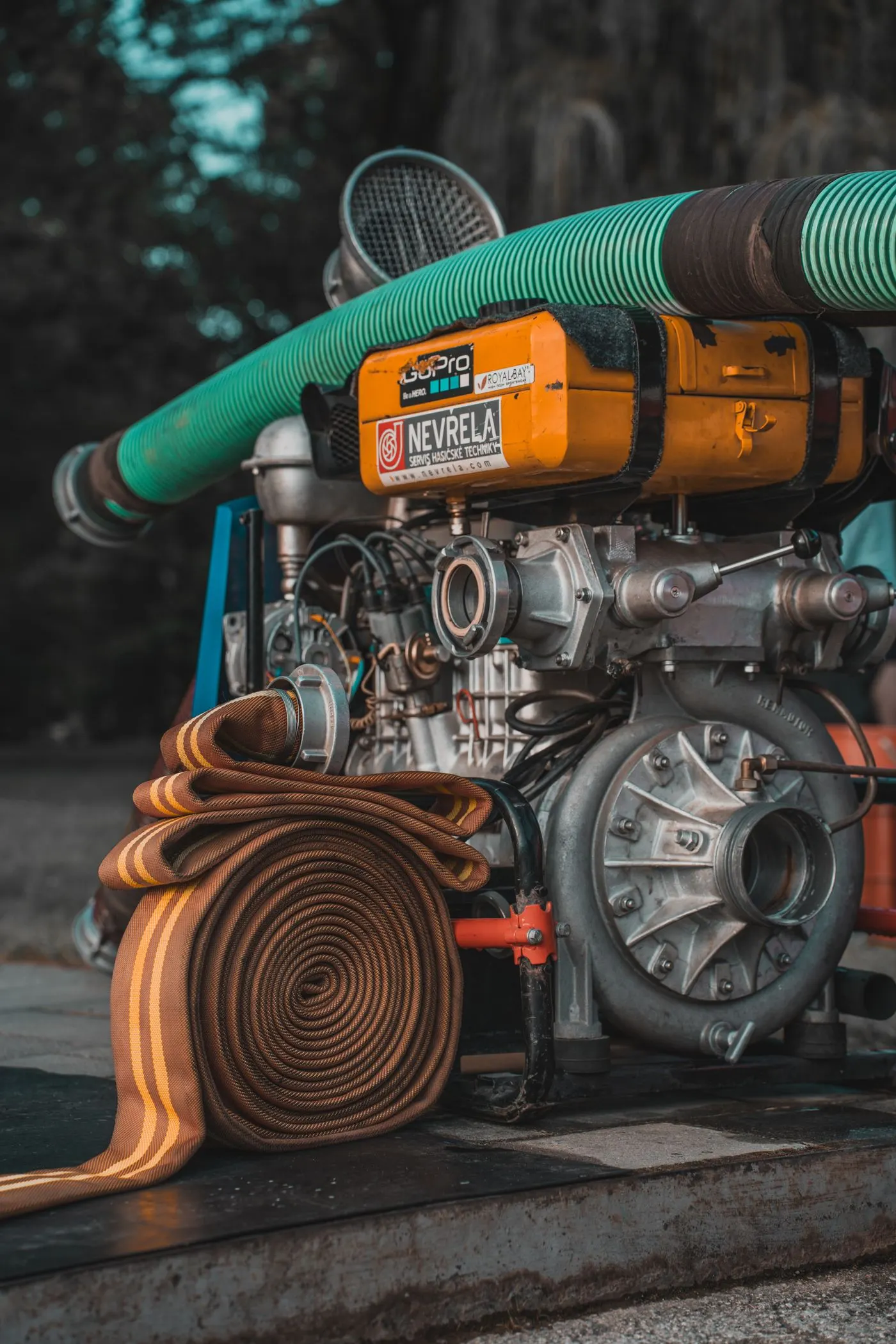
Water extraction and drying
Pumping out standing water and drying floors, walls and air.

Burst pipe cleanup
Water damage from frozen or failed pipes, supply lines and water heaters.
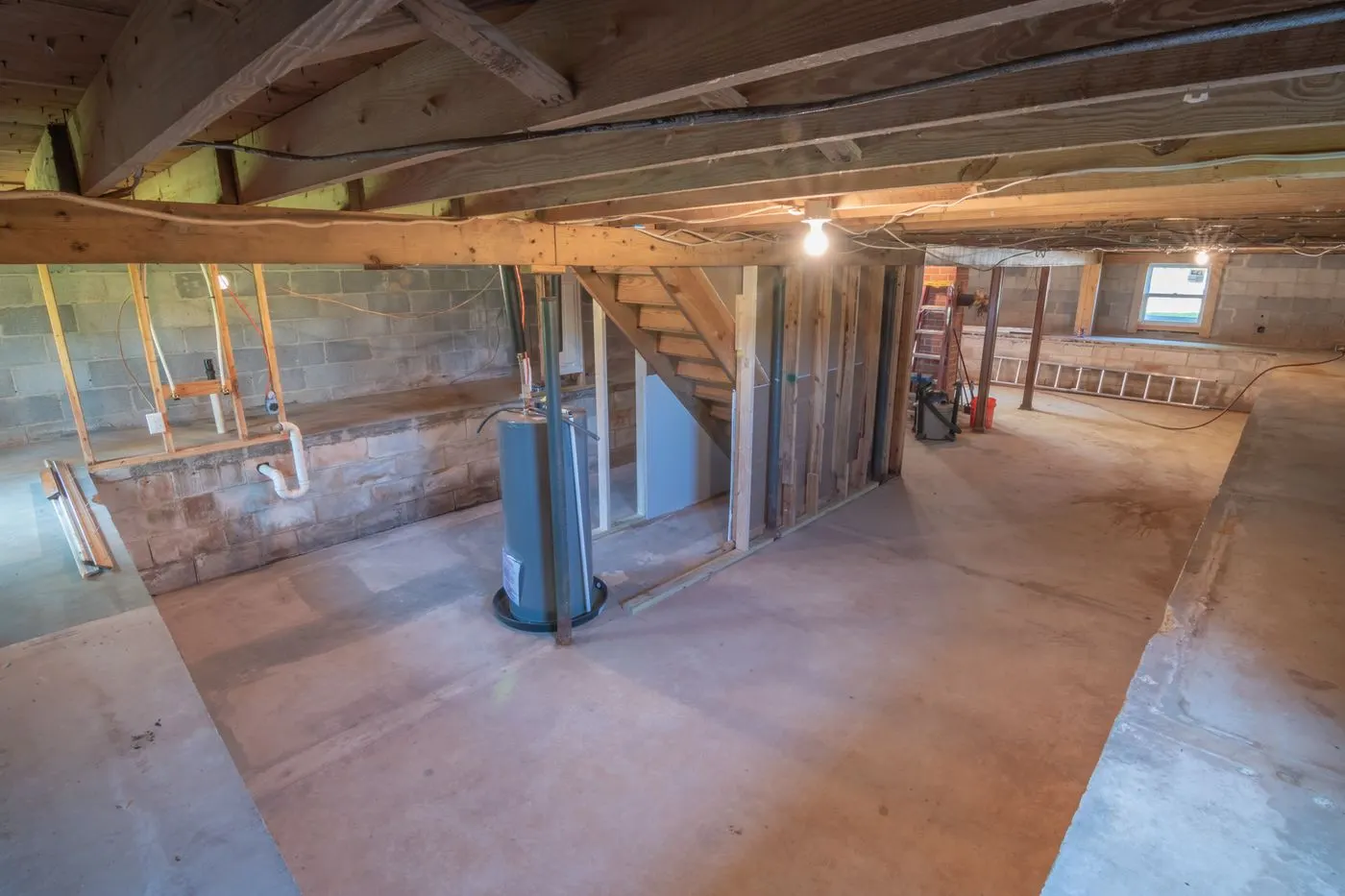
Flooded basement cleanup
Water in the basement from storms, groundwater, sump failure or appliances.
Sewage backup cleanup
Sewer and drain backups into basements, tubs and floor drains.
Storm and roof leak damage
Ceiling stains, wet attics and walls after storms, ice dams or roof leaks.